


What should I do if I have tinnitus along with a cold?

Almost everyone has experienced the common cold—it is one of the most prevalent illnesses. During a cold, patients commonly develop various uncomfortable symptoms, such as coughing and rhinorrhea (runny nose). Some individuals may also experience tinnitus (ringing in the ears). So, what should you do if you develop mild tinnitus during a cold?
What to Do If You Experience Mild Tinnitus During a Cold
Tinnitus associated with the common cold typically results from acute rhinitis triggered by the infection. Mucosal edema in the nasopharynx impairs Eustachian tube (auditory tube) function, causing temporary obstruction of this narrow, tubular passage connecting the nasopharynx to the middle ear cavity. This obstruction leads to negative pressure within the middle ear, manifesting as tinnitus, ear itching, a sensation of fullness or pressure in the ear, or even ear pain. To relieve Eustachian tube obstruction, topical nasal medications are commonly used—such as saline nasal irrigation and intranasal corticosteroid sprays (e.g., Nasonex).
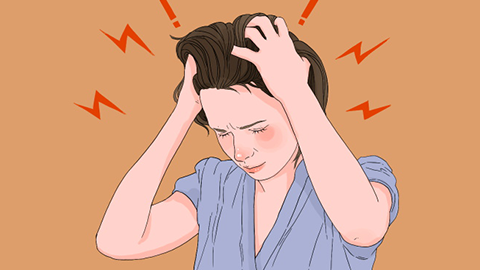
Additionally, the Valsalva maneuver—gently pinching the nostrils while attempting to exhale against closed airways—can help open the Eustachian tube, allowing air to enter the middle ear and thereby alleviating negative pressure and tinnitus. Similarly, yawning forcibly opens the Eustachian tube and may serve as an adjunctive measure for cold-related tinnitus. Gentle massage of the tympanic membrane (eardrum) may also help ease symptoms.
During a cold, it is essential to drink plenty of fluids and get adequate rest, as energy expenditure increases significantly during illness. Sufficient rest promotes recovery, while increased fluid intake enhances urinary output, helping flush out excess toxins and supporting faster recovery. Avoid spicy and greasy foods, as they place additional strain on the gastrointestinal tract and may worsen cold symptoms. We hope this information proves helpful!


