


What does it mean if tinnitus occurs frequently?
Aug 24, 2022
Source: Cainiu Health

Dr. Xu Gang
Introduction
There are many causes of chronic tinnitus. Prolonged pressure on the ears can damage the auditory nerve, leading to tinnitus. Additionally, psychological stress, kidney deficiency, frequent internal heat (a concept in Traditional Chinese Medicine), and common colds may also trigger tinnitus. Moreover, tinnitus is closely associated with noise exposure. To alleviate tinnitus, it is essential to actively avoid these contributing factors.
Tinnitus is a very common otolaryngological condition. Many people currently experience tinnitus symptoms in daily life. Occasional tinnitus may have minimal impact on physical health, but prolonged or persistent tinnitus can significantly harm the patient’s well-being. So, what causes recurrent tinnitus?
What Causes Recurrent Tinnitus?
There are numerous potential causes of recurrent tinnitus. Prolonged pressure on the ears, for instance, may damage the auditory nerve and trigger tinnitus. Other contributing factors include psychological stress, kidney deficiency (in Traditional Chinese Medicine), frequent “internal heat” (a TCM concept associated with inflammation or hyperactivity), and upper respiratory infections such as the common cold. Additionally, exposure to excessive noise is closely linked to tinnitus development. To alleviate tinnitus, individuals should proactively avoid these triggering factors.

In general, earlier intervention yields better outcomes in tinnitus management. Treatment should target the underlying cause whenever possible—when a specific etiology is identified, addressing it directly often proves most effective. Pharmacological options include vasodilators, calcium channel blockers, medications designed to reduce tinnitus perception, and neurotrophic agents. Furthermore, psychological counseling and cognitive-behavioral adjustment are essential components of care, helping patients adapt to and ultimately live comfortably with tinnitus without compromising work or daily functioning. Tinnitus masking devices and dedicated tinnitus therapy instruments may also be employed.
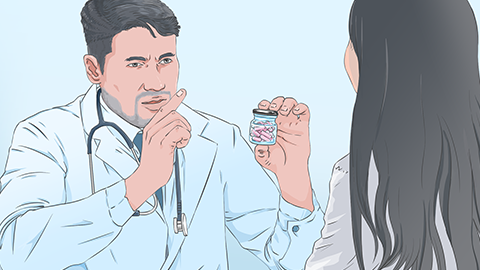
Cognitive behavioral therapy (CBT) for tinnitus helps patients gradually adapt to and accept their tinnitus, minimizing its interference with work and daily life—this approach is known as tinnitus retraining therapy (TRT). We hope this information has been helpful. Wishing you good health and a joyful life!


