


Main Causes of Tinnitus in Middle-Aged Men

Many people consider tinnitus a minor condition, yet it can cause significant distress to patients and substantially impair their daily lives. So, what are the primary causes of tinnitus in middle-aged men?
Primary Causes of Tinnitus in Middle-Aged Men
Tinnitus arises from numerous underlying factors. In middle-aged and older adults, age-related hearing loss (presbycusis) is the most common cause—gradual auditory system degeneration associated with aging often leads to tinnitus. Other contributing factors include hypertension, atherosclerosis, cervical spondylosis (cervical osteophyte formation), and excessive consumption of tobacco, alcohol, tea, or coffee. Ototoxic medications—such as streptomycin, gentamicin, and aspirin—can also induce tinnitus by damaging the auditory nerve. Additionally, tinnitus may manifest as a symptom of various conditions, including head trauma, noise-induced or blast injury to the ear, Ménière’s disease, acoustic neuroma (vestibular schwannoma), and other intracranial neurological disorders.
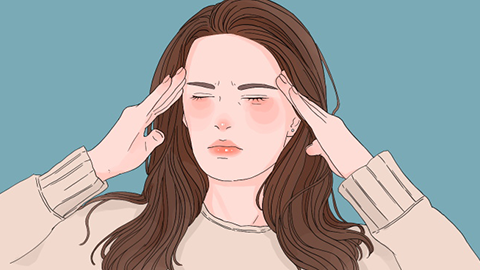
Therefore, individuals experiencing tinnitus should seek evaluation at a specialized otolaryngology clinic for comprehensive diagnostic testing—including pure-tone audiometry, tympanometry (acoustic immittance testing), auditory brainstem response (ABR) testing, and, when indicated, CT imaging—to rule out the aforementioned pathological causes. Patients with persistent tinnitus—especially unilateral, persistent tinnitus—must consult an otolaryngologist or neurotologist promptly, as such symptoms may represent an early sign of serious underlying disease.
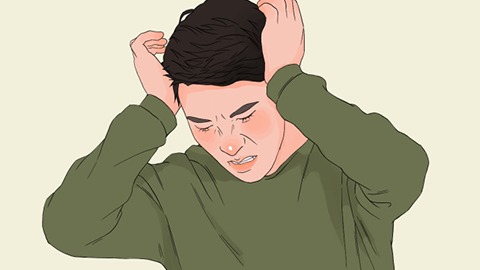
As outlined above, the causes of hearing loss and tinnitus are multifactorial. Although tinnitus itself is not life-threatening, it frequently serves as an early warning sign of other medical conditions. Anyone experiencing tinnitus should undergo timely evaluation to avoid delaying diagnosis and treatment. Preventive measures are essential—and tinnitus is largely preventable. With appropriate preventive strategies, individuals can significantly reduce their risk of developing tinnitus. We hope this article has been helpful. Wishing you a joyful life and optimal health!


