


What causes sudden tinnitus?
Aug 24, 2022
Source: Cainiu Health

Dr. Xu Gang
Introduction
If tinnitus occurs suddenly, it is considered to be caused by sudden sensorineural hearing loss. If it persists long-term and is accompanied by hearing loss or even deafness, chronic otitis media—such as otitis media with effusion—may be the underlying cause. Neurogenic tinnitus must also be considered. Treatment for neurogenic tinnitus typically involves medications that nourish the nerves and improve microcirculation. The treatment course tends to be prolonged, requiring consistent and sustained therapy.
Last night, while chatting with a friend, I suddenly developed tinnitus. I didn’t respond when spoken to, and my friend repeated themselves several times, saying I couldn’t hear clearly. What causes sudden-onset tinnitus?
What Causes Sudden-Onset Tinnitus?
Sudden onset of tinnitus is often associated with sudden sensorineural hearing loss (SSNHL). If tinnitus persists chronically and is accompanied by progressive hearing decline—or even deafness—it may result from chronic otitis media, such as serous otitis media. Neurological tinnitus must also be considered. Treatment for neurological tinnitus typically involves medications that nourish the nerves and improve microcirculation. This treatment course tends to be prolonged and requires consistent adherence. Patients should prioritize adequate rest, avoid excessive fatigue, and minimize time spent in crowded public places.
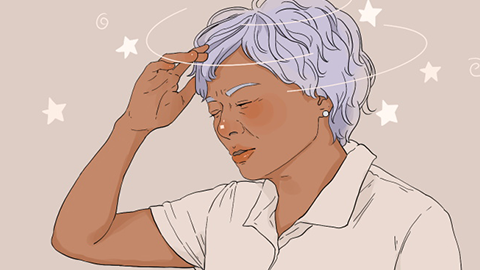
If left untreated, chronic tinnitus can lead to progressive hearing loss and eventually deafness. Impact on sleep: Tinnitus often becomes more noticeable in quiet environments—especially at night—making it difficult to fall asleep or maintain deep, restful sleep. Psychological impact: Prolonged, severe tinnitus may trigger irritability, worry, anxiety, depression, and other emotional disturbances. Impact on work performance: Difficulty understanding speech due to tinnitus significantly impairs concentration and communication, leading to reduced work efficiency and increased distress.
To prevent tinnitus, avoid prolonged exposure to noisy environments—particularly loud music—and take care to protect your ears from noise damage. If you work in a high-noise environment, wear earplugs promptly and consistently. We hope this information is helpful!


