


Why do nosebleeds occur during hot summer weather?

During the hot summer months, attention to health maintenance remains essential. Neglecting proper self-care during this season may naturally increase susceptibility to certain illnesses—such as epistaxis (nosebleeds). So, what causes nosebleeds in summer?
What Causes Nosebleeds in Hot Weather?
In sweltering summer heat, many people rely heavily on electric fans or spend prolonged periods in air-conditioned rooms. Additionally, poor dietary choices—such as consuming “heat-inducing” (i.e., spicy, fried, or overly warming) foods—can easily lead to dryness of the nasal mucosa, resulting in capillary rupture and subsequent epistaxis. This is a common cause of summer nosebleeds. However, epistaxis has numerous potential underlying causes, including deviated nasal septum, rhinitis, sinusitis, nasal polyps, nasopharyngeal angiofibroma, nasopharyngeal carcinoma, leukemia, and thrombocytopenia. Therefore, recurrent epistaxis warrants prompt medical attention. It is advisable to consult an otolaryngologist (ENT specialist) at a hospital. Diagnosis typically requires nasal endoscopy and/or blood tests to determine the precise cause and guide appropriate treatment.

Moreover, while epistaxis occurs more frequently during autumn and winter due to dry air, it can also happen in hot weather—when elevated temperatures cause vasodilation, potentially triggering nosebleeds. Applying erythromycin ointment (commonly mislabeled as “chloramphenicol” or “bacitracin” in some regions; however, note that “gold霉素 ointment” here likely refers to *bacitracin* or *neomycin* ointment, though “gold霉素” is a mistranslation—clinically, *bacitracin* or *neomycin-polymyxin B* ointments are commonly used for nasal lubrication) to the anterior nasal cavity for approximately 1–2 weeks helps maintain nasal moisture and prevent dryness-induced epistaxis.
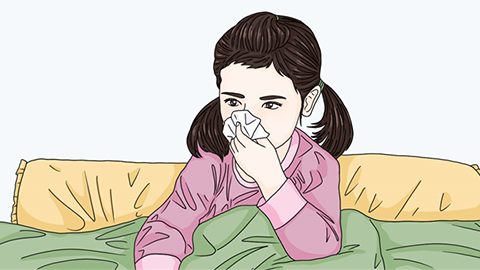
During summer, consuming mung bean syrup may help alleviate epistaxis. It is commonly believed that reduced appetite in summer results from internal “heatiness” (a traditional Chinese medicine concept referring to excessive internal heat). Thus, mung bean soup is often used to clear heat and relieve summer heat—but such preparations are typically high in sugar, and excessive intake may contribute to weight gain.


