


What Causes Dry Heaving and Nausea?

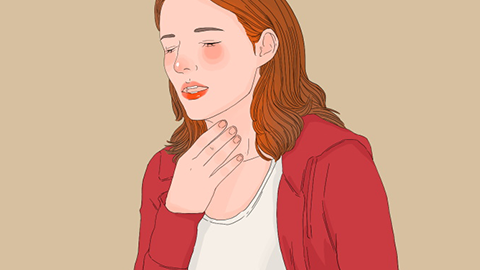
Repeated dry heaving and nausea can damage the stomach and esophagus, causing physical harm and negatively affecting one’s mood. Therefore, identifying the underlying cause of persistent dry heaving and nausea is essential for effective relief and treatment. So, what causes dry heaving and nausea?
Causes of Dry Heaving and Nausea
Dry heaving and nausea may result from chronic pharyngitis, chronic gastritis, gastroesophageal reflux disease (GERD), or psychological factors. In patients with chronic pharyngitis, damage to the pharyngeal mucosa—combined with prolonged mucosal congestion, inflammation, foreign-body sensation, throat itching, or exposure to irritating odors—can trigger dry heaving and nausea. In chronic gastritis, persistent gastric mucosal inflammation leads to abnormal secretion of gastric hormones and digestive enzymes, often resulting in nausea and dry heaving. In most GERD patients, esophageal injury, impaired esophageal motility, and compromised gastric function are present. Delayed gastric emptying prevents timely digestion of food; undigested food stimulates excessive gastric acid secretion, which then refluxes into the esophagus, irritating the esophageal mucosa and provoking dry heaving.

For recurrent dry heaving and nausea, lifestyle modifications are recommended: elevate the head during sleep, avoid eating 2–3 hours before bedtime, abstain from smoking and alcohol, maintain regular mealtimes, and avoid spicy or irritating foods. Medications such as mosapride, clarithromycin, and ranitidine may be prescribed. Adopt a pattern of smaller, more frequent meals and limit high-fat foods to reduce reflux. If symptoms are severe, consult a gastroenterologist. Diet should emphasize light, easily digestible foods. Strictly avoid tobacco and alcohol, maintain dietary regularity, and steer clear of spicy or irritating foods.
In daily life, cultivating healthy habits is crucial. We hope this information proves helpful to you.


