


How to Practice Self-Help for Depression

Depression treatment is highly individualized. First and foremost, patients must adjust their mindset and emotions to confront reality realistically. The second mainstay of treatment involves psychotherapy and pharmacotherapy. Pharmacological treatment may include antidepressants and dual-action medications.
How Can One Practice Self-Help for Depression?
Self-help strategies for depression include listening to soothing music, engaging in regular physical exercise, and improving dietary habits. As a mental health disorder, depression often manifests with characteristic symptoms; when feeling low, individuals may benefit from listening to calming or aesthetically pleasing music—such auditory stimulation can alleviate mental fatigue and negative emotions, thereby supporting recovery.
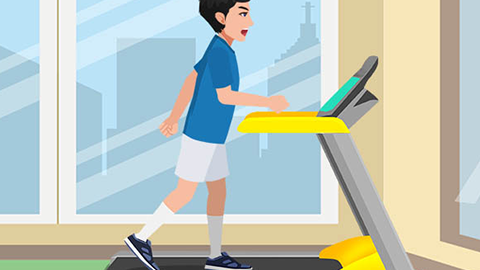
Individuals with depression should incorporate daily outdoor physical activity into their routine. Exercise not only enhances immune function but also serves as a healthy outlet for emotional release. Additionally, exercising alongside friends provides opportunities for social interaction and open communication—sharing thoughts and concerns with others can help relieve distress and significantly improve depressive symptoms.
Patients with depression should also adopt a balanced and nutritious diet. Spicy, stimulating, fried, or greasy foods should be avoided. Instead, emphasize fresh fruits and vegetables, or choose light, enjoyable meals—these dietary adjustments can serve as supportive measures in alleviating depressive symptoms.
In daily life, cultivating healthy lifestyle and eating habits is essential. We hope this information proves helpful to you.


