


What is depression?

In daily life, distinguishing depression from normal sadness and discouragement is critically important. Normal grief reactions following the death of a loved one are not considered clinical depression. While sadness and discouragement may cause brief periods of low mood, individuals typically retain their social functioning and recover spontaneously without treatment. So, what exactly is depression?
What Is Depression?
Depression—also known as depressive neurosis—is a type of neurosis. Sadness is a natural, transient negative emotion; its short duration reflects a normal physiological response, usually requiring no medical intervention. In contrast, clinical depression is a broad category of disorders with multiple etiologies. It is classified as a mood disorder characterized by pronounced and persistent low mood. It can impair social functioning and is defined as a symptomatic syndrome primarily marked by pervasive, sustained depressive affect. Additional hallmark features include loss of interest or anhedonia (inability to experience pleasure), manifesting in both emotional and behavioral domains, along with relatively prolonged physical (somatic) symptoms.
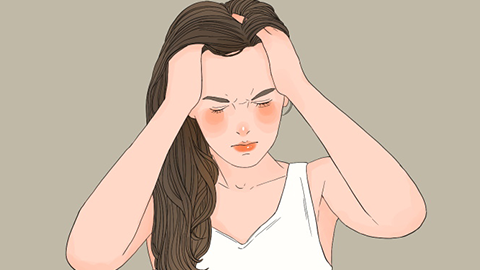
Depression may arise from pessimistic personality traits, co-occurring medical illnesses, or substance abuse. Individuals with depression often experience slowed thinking, low mood, diminished motivation, loss of faith in life, apathy, and an absence of joy or satisfaction. Severe depression can disrupt sleep, suppress appetite, lead to weight loss, and cause generalized physical dysregulation. Patients may also suffer nausea, vomiting, chest tightness, chest pain, and excessive sweating. Psychiatric evaluation is essential, and oral antidepressant medication is typically prescribed to manage symptoms. In severe cases, suicidal ideation or behavior may occur.

Patients are advised to maintain a balanced diet, emphasizing fresh vegetables and fruits. Spicy, raw, cold, or otherwise irritating foods should be avoided. We hope this information proves helpful.


