


What should I do if my child suffers from severe insomnia?

Insomnia is a relatively common phenomenon. Since infants are young and free from psychological stress, their sleep quality is generally good; however, even babies can experience insomnia. Infant insomnia can likewise disrupt the parents’ sleep, making prompt intervention essential. So, what should be done if a child suffers from severe insomnia?
What to Do When a Child Has Severe Insomnia
If an infant experiences severe insomnia, adjustments to daily routines are necessary. Avoid letting the child stay up too late, and create a conducive sleep environment. Maintain appropriate indoor temperature and humidity, as this helps the infant fall asleep more easily and may alleviate severe insomnia. Secondly, about 30 minutes before bedtime each night, warm a glass of milk for the child. Milk is rich in high-quality protein, and drinking it before bed can help regulate sleep and promote restfulness. Finally, avoid overstimulating the child before bedtime. Soaking the child’s feet in warm water prior to sleep can enhance peripheral circulation and improve overall sleep quality.
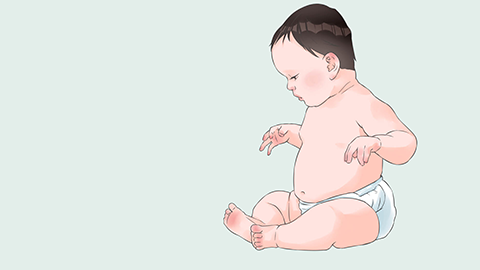
After the onset of infant sleep disorders, incorporate more high-fiber foods and fresh fruits and vegetables into the child’s daily diet. To ensure balanced nutrition, include additional protein-rich foods. Moreover, foods containing sugars, healthy fats, vitamins, trace elements, and dietary fiber provide essential nutrients for the infant. In daily meals, combine meat with vegetables, diversify food choices, and leverage nutritional complementarity among different foods. Avoid spicy or highly stimulating foods, foods that cause indigestion, and those known to induce hyperarousal.

Ensure the infant maintains a consistent daily schedule, going to bed at the same time each night and avoiding excessive playtime before sleep. We hope this information proves helpful.


