


How to Fall Asleep Quickly After Drinking Tea and Experiencing Insomnia

Modern life is accelerating, and even after exhausting workdays, many people struggle to fall asleep upon returning home—leading to insomnia. Chronic insomnia can easily result in neurasthenia and may trigger serious health issues; thus, numerous individuals seek solutions. So, how can one fall asleep quickly after experiencing insomnia caused by drinking tea?
How to Fall Asleep Quickly After Insomnia Caused by Drinking Tea
Insomnia induced by tea consumption can be alleviated by taking a warm bath and practicing deep breathing. The fastest method involves using sedative-hypnotic medications—specifically short-acting hypnotics or anti-anxiety agents such as buspirone tablets or agomelatine tablets. If psychiatric medications are undesirable, drinking a glass of warm milk may help: calcium in milk promotes tryptophan synthesis via serotonin pathways. However, any pharmacological intervention should be undertaken only under medical supervision.
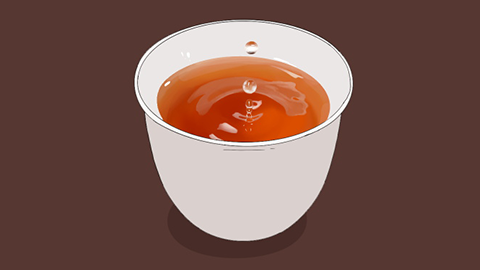
Tea not only stimulates mental alertness but also possesses paradoxical sedative effects. Deep breathing itself has sleep-inducing properties—by consciously altering respiratory rhythm, especially the duration of inhalation and exhalation. Typically, exhale for 5 seconds and inhale for 7–8 seconds; this pattern facilitates sleep onset. This effect lasts approximately four hours and primarily manifests as difficulty initiating sleep; therefore, avoid drinking tea before bedtime.

Drinking tea several hours earlier in the day—combined with a cup of warm milk before bed—can help prevent or improve insomnia. If necessary, sedative-hypnotic medications may be prescribed for treatment. Simply avoiding tea consumption close to bedtime will generally prevent insomnia. We hope this information proves helpful to you.


