


Can drinking green tea cause insomnia?
Aug 24, 2022
Source: Cainiu Health

Dr. Yang Jun
Introduction
Drinking green tea does not necessarily cause insomnia. Tea is a widely popular beverage—a natural drink known for its refreshing and invigorating effects. All types of tea, including green tea, possess stimulating properties. The tea polyphenols in tea can stimulate the central nervous system, helping to enhance alertness, alleviate fatigue, and improve work efficiency—without causing insomnia.
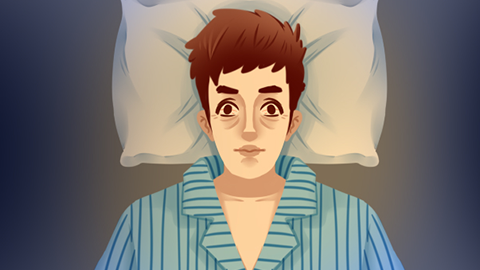
Many people still suffer from insomnia, and each individual has different underlying causes. After developing insomnia, various approaches can be used to address it—such as drinking lotus root tea or lily bulb tea—which may help resolve sleep difficulties more quickly. Individuals with severe insomnia should not delay seeking treatment. But does drinking green tea cause insomnia?
Can drinking green tea cause insomnia?
Drinking green tea does not necessarily lead to insomnia. Tea is a widely enjoyed beverage—a natural drink known for its refreshing and invigorating effects. All types of tea, including green tea, possess mild stimulatory properties. The tea polyphenols in green tea stimulate the central nervous system, helping to enhance alertness, alleviate fatigue, and improve work efficiency. While this stimulation primarily affects the central nervous system, it does not inherently cause insomnia. However, individuals who are particularly sensitive to tea may experience difficulty falling or staying asleep after consumption. Conversely, many people are not sensitive to tea—even strong brews pose no issue for them. In other words, responses vary significantly among individuals; there is no universal rule. Generally speaking, those with low tolerance to tea’s stimulating effects may indeed experience disrupted sleep.

It is advisable to avoid strong tea and coffee, especially in the evening. Instead, drinking a glass of warm milk before bed may promote better sleep. Individuals with insomnia should also avoid vigorous physical activity—particularly intense running or jumping—close to bedtime, as such exertion may overstimulate the body and interfere with sleep onset. Additionally, watching highly stimulating movies or videos before bed should be avoided.
In daily life, cultivating healthy lifestyle and dietary habits is essential. We hope this information proves helpful to you.


