


What Is Depression?

Depression is a serious mental and psychological disorder, and individuals diagnosed with depression must exercise particular caution and care. However, most people lack a thorough or accurate understanding of depression. So, what exactly is depression?
What Is Depression?
Depression is now a common condition—often referred to as the “common cold of mental health.” Medically, depression (also known as depressive disorder) is a formally defined psychiatric diagnosis characterized by persistent and severe low mood. It is the primary type of mood disorder. Typical symptoms include depressed mood, diminished interest or pleasure in activities, feelings of hopelessness or pessimism, slowed thinking, reduced motivation, excessive self-blame, low self-esteem, disturbances in appetite and sleep, heightened health anxiety (e.g., fear of developing various illnesses), and multiple unexplained physical complaints. In severe cases, individuals may experience suicidal ideation or engage in suicidal behavior.
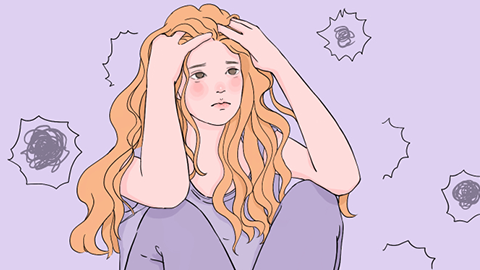
Depression is a mood disorder whose core feature is persistent depressed mood. The optimal treatment for depression is comprehensive and multimodal, incorporating pharmacotherapy, psychotherapy, and physical treatments. Selective serotonin reuptake inhibitors (SSRIs) are the most commonly prescribed antidepressants and include five main agents: fluoxetine, paroxetine, sertraline, fluvoxamine, and citalopram. Serotonin–norepinephrine reuptake inhibitors (SNRIs), such as venlafaxine, are also frequently used. Psychotherapeutic approaches for depression include supportive psychotherapy, cognitive-behavioral therapy (CBT), interpersonal therapy (IPT), and marital or family therapy.
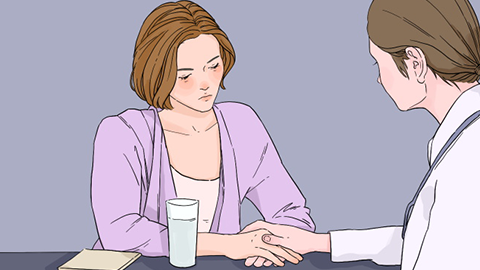
Early and systematic intervention typically leads to favorable outcomes. We hope this response has been helpful to you.


