


What causes tinnitus during a cold?
Aug 24, 2022
Source: Cainiu Health

Dr. Xu Gang
Introduction
The common cold is typically an upper respiratory tract infection. Tinnitus can occur during upper respiratory tract infections. In most cases, inflammation from the upper respiratory tract infection spreads via the Eustachian tube (auditory tube) through the nasopharynx to affect the inner ear—particularly the eardrum—resulting in tinnitus of varying severity. Tinnitus caused by the common cold, especially that associated with upper respiratory tract infection, usually improves to varying degrees as cold symptoms subside.
Almost everyone has experienced the common cold—it is one of the most prevalent illnesses. During a cold, patients often develop various uncomfortable symptoms, such as coughing and tinnitus. Why does tinnitus occur with the common cold?
Why Does Tinnitus Occur with the Common Cold?
The common cold is typically an upper respiratory tract infection. Tinnitus may arise during such infections—most commonly because inflammation from the upper respiratory tract spreads via the Eustachian tube (auditory tube) in the nasopharynx to affect the inner ear, particularly the eardrum, thereby causing tinnitus of varying severity.
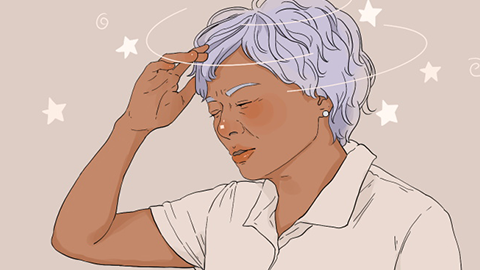
Tinnitus caused by the common cold—especially that associated with upper respiratory tract infection—usually improves to varying degrees as cold symptoms subside. However, if tinnitus persists after recovery from the cold, it is advisable to consult an otolaryngologist for further evaluation. This assessment may help rule out other underlying conditions, particularly acoustic neuroma, inner ear disorders, ischemia of the cochlear nerve, or vascular occlusion—conditions known to cause tinnitus.
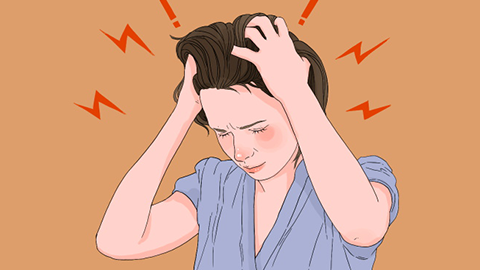
Tinnitus has numerous potential causes. In addition to viral infections and various upper respiratory tract infections, neural (neurological) tinnitus is also highly prevalent. In individuals with pre-existing neural tinnitus, a cold may exacerbate the condition. Clinically, many cases of tinnitus and hearing loss stem from neurogenic or vascular etiologies, which often respond poorly to treatment. Most affected patients experience varying degrees of hearing impairment or hearing loss. We hope this information proves helpful!


