


Why Does Taking Ginseng Cause Nosebleeds?

Ginseng, a particularly precious medicinal herb, is often hailed as the “King of Herbs.” Its therapeutic value is thus self-evident. Many people consume ginseng for health tonification; however, some individuals experience epistaxis (nosebleeds) after taking it. Why does ginseng consumption cause nosebleeds?
Why Does Ginseng Consumption Cause Nosebleeds?
Epistaxis following ginseng intake primarily occurs because ginseng is a traditional Chinese medicine with potent qi- and blood-tonifying properties. Excessive consumption may elevate blood pressure, leading to dilation of capillaries in the nasal mucosa. In patients with chronic rhinitis, such capillary dilation can cause swelling and rupture, resulting in epistaxis.

Additionally, as a nourishing food, ginseng may induce “internal heat” (a TCM concept referring to excessive yang or inflammatory conditions), causing nasal mucosal dryness and a rapid increase in nasal blood flow. Under these conditions—dry mucosa coupled with accelerated blood flow—capillaries dilate and become prone to rupture and bleeding, a clinically common phenomenon, especially after nasal trauma such as rubbing or touching the nose.
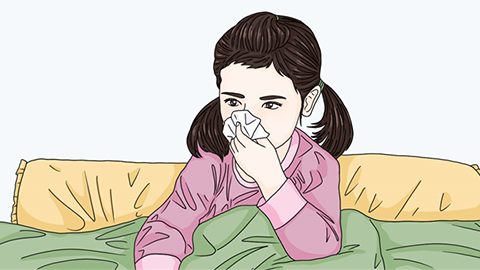
If epistaxis results from excessive ginseng intake, increasing fluid intake can promote faster metabolism and elimination of ginseng from the body, thereby helping to lower blood pressure. For patients with rhinitis, concurrent treatment of the underlying condition is essential. Nasal irrigation with lukewarm saline solution helps maintain cleanliness and moisture of the nasal mucosa. Cooler saline solutions may also induce mild vasoconstriction, reducing the volume of epistaxis or preventing it altogether. Applying ice packs to the forehead and neck may further assist in achieving rapid hemostasis. We hope this information proves helpful!


