


What causes lower abdominal pain accompanied by nausea and vomiting?

In daily life, many people suddenly experience abdominal pain, nausea, and vomiting. However, due to limited understanding of such conditions, they often do not know how to respond appropriately when symptoms arise. In fact, these symptoms are commonly caused by gastrointestinal disorders and require timely treatment to prevent disease progression. So, what causes lower abdominal pain accompanied by nausea and vomiting?
What Causes Lower Abdominal Pain, Nausea, and Vomiting?
Lower abdominal pain with nausea and vomiting is primarily attributed to enteritis—often triggered by consumption of spicy or irritating foods, or foods contaminated with pathogenic bacteria. Patients are advised to apply local heat therapy and, under physician guidance, take anti-nausea medications such as domperidone (Motilium) or Huoxiang Zhengqi Capsules for symptomatic relief. If symptoms fail to improve significantly, abdominal color Doppler ultrasound is recommended to assess for mesenteric lymphadenitis; if confirmed, adjunctive antibiotic therapy may be necessary.
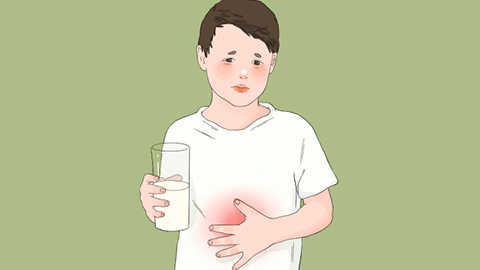
Lower abdominal pain with nausea and vomiting may also indicate gastroenteric influenza (“stomach flu”) or acute gastroenteritis. A complete blood count (CBC) can help determine whether a bacterial or viral infection is present. Appropriate anti-inflammatory or antiviral agents—combined with anti-nausea drugs like domperidone—may be prescribed. Additionally, local abdominal heat application and gentle massage can help alleviate pain. For severe pain, spasmolytic agents such as anisodamine may be used under medical supervision. Maintaining healthy dietary habits—including light, easily digestible, and liquid-based meals—also supports recovery.

Patients are advised to rest adequately, avoid overexertion, and consume bland, easily digestible foods. Cold, greasy, spicy, or otherwise irritating foods should be avoided. We hope this information proves helpful.


