


What Causes Insomnia in Children?

When discussing insomnia, many people assume it is exclusively an adult issue—believing that children, being carefree, should not experience insomnia. In fact, this notion is incorrect. Insomnia is not limited to adults; poor sleep environments can also lead to insomnia in children. So, what causes insomnia in children?
What Causes Insomnia in Children?
Common causes of childhood insomnia include physical discomfort, disrupted circadian rhythms, and psychological issues. Children suffering from respiratory, gastrointestinal, or traumatic conditions may experience nighttime symptoms such as coughing, abdominal pain, or localized pain at injury sites—leading to difficulty falling asleep. Prolonged use of mobile phones and video games late into the evening delays bedtime; over time, this disrupts the natural sleep–wake cycle, resulting in excessive daytime sleepiness, oversleeping during the day, and restlessness at night. Additionally, strained parent–child relationships or problematic peer interactions can exert significant negative psychological effects on children, contributing to insomnia.
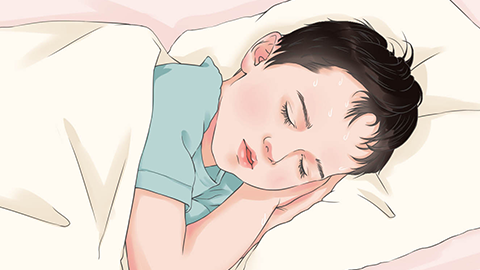
It is recommended to appropriately adjust the child’s daily routines and sleep habits, and to ensure adequate intake of calcium and vitamin D. Avoid feeding the child large meals before bedtime, limit daytime napping, and refrain from stimulating activities close to bedtime. Practical measures to improve sleep include offering warm milk before bed—milk contains tryptophan, an amino acid known to support sleep—or soaking the child’s feet in warm water prior to sleep, which promotes peripheral circulation and facilitates relaxation. If insomnia is suspected to stem from calcium deficiency, consult a healthcare provider for trace element testing. Under medical supervision, timely calcium supplementation may help alleviate insomnia related to hypocalcemia.

Parents are advised to promptly take their child to a hospital for appropriate evaluation and treatment, and to help establish healthy lifestyle habits. We hope this information proves helpful.


