


Can depression cause hallucinations?

It is a mental disorder; patients with depression—particularly those with severe depression—may experience hallucinations. Patients may not only “see” hallucinations but also “hear,” “smell,” or otherwise perceive them. Hallucinations commonly manifest as severe auditory hallucinations, the content of which often involves voices that slander or condemn the patient. So, can hallucinations occur in depression?
Can hallucinations occur in depression?
Yes, hallucinations can occur in depression. The clinical presentation of depression is relatively diverse and may include psychotic symptoms such as hallucinations or delusions. However, hallucinations in depressed patients are most commonly auditory or olfactory. Auditory hallucinations typically involve voices that insult or accuse the patient, while olfactory hallucinations usually entail perceptions of foul odors—such as filth or rotting flesh. These hallucinations are generally closely linked to the patient’s depressive symptoms. Patients experiencing hallucinations or delusions tend to have a poorer treatment response; therefore, prompt medical consultation is strongly recommended to initiate systematic, standardized treatment.
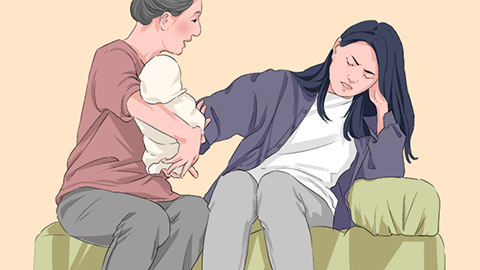
Depressed patients may experience hallucinations, most frequently perceiving objects—such as animals or other items—in front of them, particularly at night and especially when triggered by light or other real environmental sounds. The presence of hallucinations usually indicates severe depression and necessitates timely, systematic, and standardized treatment.
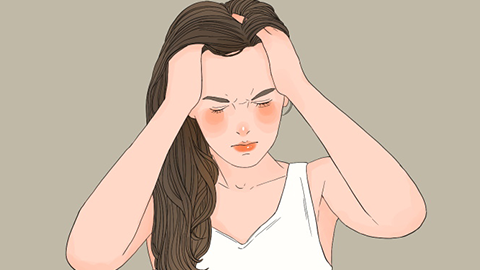
Some patients may even develop delusions—for instance, feeling physically weak, self-deprecating, or experiencing sensations that their body has been hollowed out, their internal organs completely melted away or vanished—alongside other hallucinations and delusions. We hope this answer has been helpful to you.


