


Leukemia-related nosebleeds

When leukemia is mentioned, many people feel deeply fearful, as it is widely perceived as a life-threatening disease. Once diagnosed, it can severely impact both daily life and physical health. So, what are the symptoms of nosebleeds in leukemia?
Symptoms of Nosebleeds in Leukemia
Nosebleeds in leukemia typically occur spontaneously, are difficult to stop on their own, and tend to recur frequently. Additional symptoms may include skin or gingival bleeding, menorrhagia (excessively heavy menstrual bleeding), generalized weakness, and shortness of breath—signs of systemic debility. Patients may also experience fever, lymphadenopathy (swollen lymph nodes), and hepatosplenomegaly (enlarged liver and spleen).

Nosebleeds in leukemia reflect a broader tendency toward hemorrhage associated with this disease. Leukemia is a malignant disorder of the hematopoietic system. Leukemic cells disrupt normal bone marrow function, leading to thrombocytopenia (a reduced platelet count) in peripheral blood. Moreover, leukemic cells can directly damage blood vessels throughout the body. Consequently, patients with leukemia are prone to bleeding, with epistaxis (nosebleed) being one of the most common manifestations. Typically, bleeding originates from one nostril and often fails to stop spontaneously, requiring nasal packing for control.
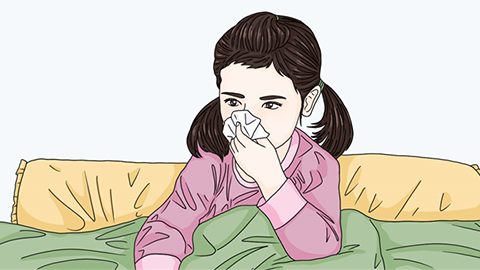
If platelet transfusions successfully raise the patient’s platelet count, epistaxis usually improves gradually. Similarly, chemotherapy or hematopoietic stem cell transplantation can induce remission, restore normal platelet levels, and ultimately resolve nosebleeds. Beyond epistaxis, leukemia patients commonly develop petechiae (small pinpoint hemorrhages) and ecchymoses (bruises) on the skin and mucous membranes, as well as blood blisters in the oral cavity. In severe cases, internal bleeding may manifest as hematuria (blood in urine) or hematemesis (vomiting blood). The most critical and potentially fatal complication is intracranial hemorrhage, which frequently results in death. We hope this information proves helpful!


