


Can a person with depression get married?
Aug 24, 2022
Source: Cainiu Health

Dr. Yang Jun
Introduction
Individuals with depression can get married. It is self-evident that marriage is prohibited for patients with certain medical conditions. Currently, there is no definitive consensus regarding the impact of marriage and childbearing on depression. After marriage, potential effects on offspring may include whether the patient has depression and whether the child develops depression as well. At present, depression is widely believed to have a genetic component.
According to explicit legal provisions, individuals diagnosed with certain diseases are prohibited from marrying. If such conditions are ignored, they may transmit the disease to their partners or adversely affect future generations. This situation is quite serious; therefore, prior to marriage, individuals typically undergo comprehensive medical examinations at professional healthcare institutions. So, can individuals with depression get married?
Can individuals with depression get married?
Individuals diagnosed with depression are generally not advised to marry. Currently, there is no definitive scientific consensus regarding how marriage and childbearing impact depression. However, marriage—and particularly parenthood—may exert certain effects on offspring. For instance, if one parent has depression, the child’s risk of developing depression increases. Current evidence suggests that depression has a genetic component; thus, having a family history of depression elevates the likelihood that subsequent generations will also develop the condition. Specifically, the presence of depression in even one family member increases the susceptibility of descendants to depression, likely due to inherited genetic vulnerability.
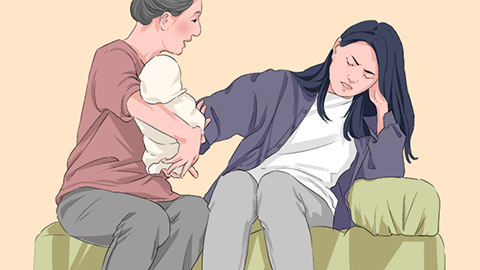
Depression is a mental health disorder primarily caused by a combination of genetic, environmental, and psychosocial stress factors. However, if a patient’s depressive symptoms are severe—requiring long-term pharmacotherapy—or if the individual exhibits self-harming tendencies, it is generally not recommended to have children, as this could negatively impact the child’s well-being. Depression is primarily treated through pharmacotherapy and psychotherapy. Under a physician’s guidance, patients may be prescribed antidepressants such as sertraline, paroxetine, or citalopram.

In daily life, individuals should cultivate healthy lifestyle habits, maintain open communication with family and friends, preserve a positive emotional state, and attend regular follow-up appointments. We hope this response has been helpful to you.



