


What should I do if I experience tinnitus after going to a bar?

Bars are extremely noisy environments. After prolonged exposure to such loud settings, individuals may experience a persistent ringing or buzzing sound in their ears upon leaving—this is known as tinnitus. So, what should you do if you develop tinnitus after visiting a bar?
What to Do If You Experience Tinnitus After Visiting a Bar
Tinnitus following bar attendance can be alleviated through conservative management and pharmacological treatment. Conservative management: If hearing remains normal and only tinnitus is present, it is advisable to avoid further noise exposure, rest in a quiet room, minimize ambient noise, avoid staying up late, ensure adequate sleep, refrain from using headphones, and avoid listening to music. In most cases, the tinnitus will subside within several days.
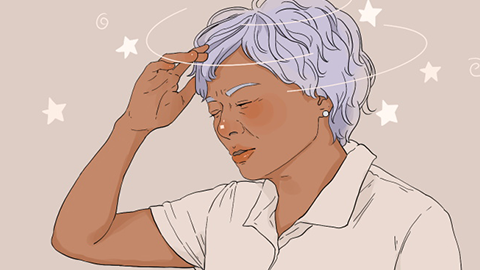
Pharmacological treatment: Under medical supervision, vasodilators that improve cochlear blood supply—such as flunarizine or nicotinic acid—may be prescribed to alleviate tinnitus. Anticoagulants (e.g., low-molecular-weight dextran) can enhance inner ear microcirculation. Adenosine triphosphate (ATP) and vitamin B1 supplementation support cellular energy metabolism and improve microcirculation. Lidocaine may be used to suppress abnormal auditory neural activity. Additionally, neurotrophic agents—including methylcobalamin tablets—can be administered orally. Ginkgo biloba extract helps regulate vascular function, improves inner ear microcirculation, and alleviates hypoxia and insufficient blood supply.
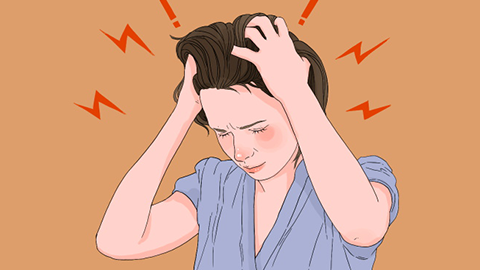
If hearing loss accompanies the tinnitus, sudden sensorineural hearing loss may be suspected. Prompt evaluation by an otolaryngologist is essential, including audiometry and tympanometry, to identify the underlying cause and initiate appropriate treatment. We hope this information proves helpful!


