


What causes frequent tinnitus recently?

Many people experience tinnitus (ringing in the ears) from time to time. So, what could be causing frequent tinnitus recently?
What Causes Frequent Tinnitus Recently?
Frequent tinnitus may stem from ear-related disorders—for example, otitis media, foreign bodies in the external auditory canal, otosclerosis, or hearing loss. In otosclerosis, tinnitus is often prominent: initially presenting as intermittent low-pitched sounds, it typically progresses to persistent tinnitus. By contrast, tinnitus caused by inner ear disorders is usually high-pitched and may be either intermittent or persistent. Nasopharyngeal carcinoma is also frequently associated with tinnitus. Because the nasopharynx connects anatomically to the middle ear cavity, tumors arising near the pharyngeal opening of the Eustachian (auditory) tube can compress this opening, leading to eustachian tube obstruction and subsequent tinnitus.

Frequent tinnitus may also result from neurasthenia. Patients with neurasthenia often experience chronic mental tension, which can cause overexcitation of the central auditory nervous system, thereby triggering tinnitus indirectly. Cervical spondylosis—once developed—can disrupt spinal biomechanical balance, alter cervical vertebral alignment, and stimulate or compress the cervical sympathetic nerves. Such neural interference may impair normal inner ear function and induce tinnitus. Additionally, vascular compression due to cervical spondylosis can further contribute to tinnitus symptoms.
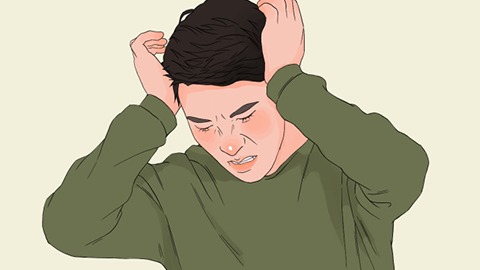
Frequent tinnitus warrants prompt medical attention, as it may signal an underlying pathological condition. Patients are advised to seek timely evaluation at a hospital to identify the precise cause and initiate appropriate, targeted treatment—thereby avoiding delays that could worsen the condition. Like many other diseases, early diagnosis and intervention for tinnitus significantly improve the likelihood of favorable outcomes and recovery. We hope this article has been helpful to you. Wishing you a joyful life and good health!


