


Can eating too much beef cause nosebleeds?

Beef is a common food in daily life. When consumed in moderation, it offers certain health benefits, and many people enjoy eating it. However, excessive consumption of beef can be detrimental to health. So, can eating too much beef cause nosebleeds?
Can eating too much beef cause nosebleeds?
Yes, excessive beef consumption may trigger nosebleeds. This is partly because large amounts of pungent spices are often used when cooking beef, and external environmental factors—such as dry weather—can further dehydrate the nasal mucosa, making nosebleeds more likely. Beef itself is considered a “heat-inducing” (spicy-warm) food in traditional Chinese medicine. Individuals with compromised immunity or weakened constitutions are especially susceptible to nosebleeds when exposed to additional external triggers. Therefore, such individuals should limit or avoid beef consumption.

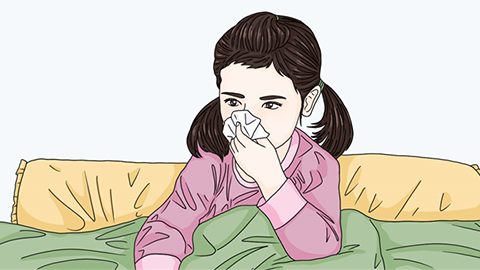
When experiencing a nosebleed, remain calm. Sit upright with your body slightly leaning forward, positioning yourself over a sink or basin so blood drains downward from the nostrils. Gently insert a clean tissue or sterile cotton ball into the bleeding nostril, then firmly pinch the soft part of the nose—the area just below the nasal bone—for 15–20 minutes. In most cases, this pressure will stop the bleeding. Since the majority of nosebleeds originate from the anterior portion of the nasal cavity, this method is highly effective.
Maintain a light, balanced diet rich in fresh vegetables and fruits—especially those with cooling and heat-clearing properties, such as watermelon and pears. Drink plenty of water, and consider herbal infusions like honeysuckle or chrysanthemum tea, which help prevent nosebleeds. We hope this information is helpful to you!


