


What are the common causes of frequent nausea?

Nausea is a relatively common symptom encountered in daily life and can arise from numerous causes. Occasional nausea is generally not a cause for concern; however, persistent or recurrent nausea warrants further investigation. What are the possible causes of frequent nausea?
Causes of Frequent Nausea
Frequent nausea may result from acute gastritis caused by improper diet. It may also be associated with mechanical gastrointestinal obstruction, gastroparesis, cholecystitis, or pancreatitis. If nausea is accompanied by dizziness, motor impairment of the limbs, or visual vertigo (e.g., sensation of spinning), neurological disorders must be considered—such as acute ischemic stroke, intracranial hemorrhage, or elevated intracranial pressure. In patients with diabetes, poorly controlled blood glucose levels may lead to nausea, often indicating diabetic ketoacidosis. In such cases, arterial blood gas analysis, urinalysis, and blood glucose testing should be performed for further evaluation and diagnosis. Additionally, in patients presenting with severe diarrhea, electrolyte panels and other relevant tests should be conducted to rule out electrolyte imbalances—such as profound hyponatremia—as an underlying cause of nausea. If hyponatremia is confirmed, prompt correction and supplementation are essential. For women of childbearing age, early pregnancy screening should also be considered.
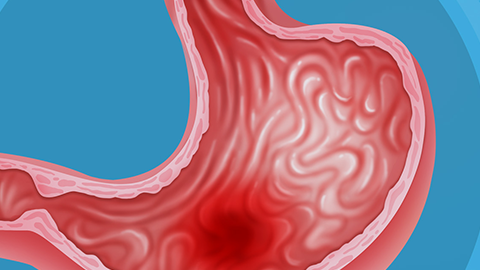
Patients may require medications that neutralize gastric acid, reduce gastric acid secretion, and protect the gastric mucosa. Under medical supervision, omeprazole, ranitidine, colloidal bismuth subcitrate, and vitamin B6 are commonly prescribed for antiemetic purposes. Nausea and vomiting may also stem from viral hepatitis; thus, liver function tests and abdominal ultrasound (to assess the liver and gallbladder) are recommended. Upon confirmation of hepatitis, antiviral therapy and hepatoprotective agents may be initiated, alongside dietary recommendations emphasizing light, easily digestible foods. Uremia is another potential cause of nausea. Finally, early pregnancy remains a common and important etiology of nausea and must be actively ruled out.
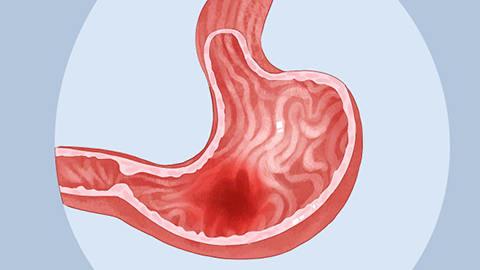
Individuals experiencing recurrent nausea should seek timely medical evaluation and treatment to prevent disease progression or complications. We hope this information proves helpful.


