


Is sleeping during the day and being unable to sleep at night considered insomnia?

When you are not sleeping, avoid staying in bed or napping during the day. Stay active and alert to promote restful nighttime sleep. For stricter sleep hygiene, adopt a clear distinction: when you’re not sleeping, stay out of bed; when you go to bed, it’s solely for sleeping. If you feel drowsy during the day, engage in light household chores or take a walk outdoors. Then, does daytime napping followed by nighttime insomnia constitute insomnia?
Does daytime napping and nighttime wakefulness indicate insomnia?
Daytime napping combined with nighttime wakefulness is not, in itself, classified as insomnia. Rather, the inability to fall asleep at night is often caused by excessive daytime sleep. In fact, everyone has a natural, fixed circadian rhythm governing sleep timing. When daytime naps encroach upon the time normally reserved for nighttime sleep, nighttime sleep onset becomes difficult. Patients are advised to cultivate healthy sleep habits—ideally falling asleep before 11:00 p.m. and maintaining approximately 8 hours of nightly sleep. If drowsiness occurs during the day, a brief nap of 20–30 minutes at noon is acceptable. If fatigue persists, consider going for a walk or engaging in moderate physical activity, which can effectively enhance alertness. Most healthy adults require 7–8 hours of sleep per day.
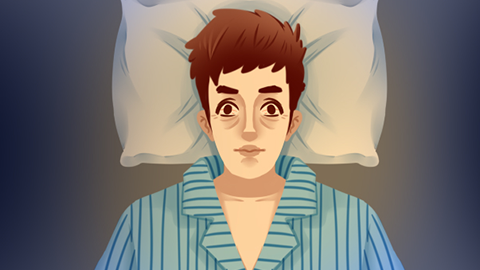
If this pattern persists long-term, it may easily lead to neurasthenia or autonomic nervous system dysfunction. Moreover, chronic sleep deprivation significantly increases the risk of organic multi-organ disorders—including coronary heart disease, hypertension, cerebral insufficiency, cerebral infarction, or intracerebral hemorrhage—potentially threatening life in severe cases. Difficulty initiating or maintaining sleep at night (i.e., chronic insomnia) can stem from numerous underlying causes.
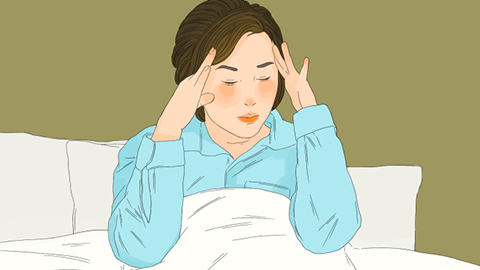
However, persistent sleep disruption can impair daytime cognitive function. Common symptoms include dizziness, poor concentration, depressive mood, and persistent fatigue. We hope this information proves helpful to you.


