


How to manage insomnia, frequent dreams, and easy awakening

As an increasing number of people suffer from insomnia, frequent dreaming, and easy awakening, numerous treatment options for these symptoms are available on the market. Common approaches include tuina (Chinese therapeutic massage), pharmacotherapy, and traditional Chinese medicine (TCM). When opting for pharmacotherapy, individuals must select medications with caution and avoid long-term, high-dose usage; this approach is generally recommended only for patients with severe symptoms. So, how should one manage insomnia, frequent dreaming, and easy awakening?
How to Manage Insomnia, Frequent Dreaming, and Easy Awakening
Insomnia, frequent dreaming, and easy awakening can be addressed through multiple lifestyle adjustments—such as maintaining regular work and rest schedules, cultivating a positive mood, engaging in appropriate physical exercise, and optimizing dietary patterns. Additionally, underlying medical conditions causing these sleep disturbances should be considered. It is advisable to seek timely medical evaluation and treatment targeting both the root cause and associated symptoms. Maintain consistent sleep–wake timing, aiming to fall asleep before 11 p.m. and avoiding late-night activity. Ensure the sleeping environment is thermally comfortable, dimly lit, and free from noise. Wake up at a regular time each morning, avoiding oversleeping or habitual “sleeping in,” which helps improve insomnia, excessive dreaming, and nocturnal awakenings.
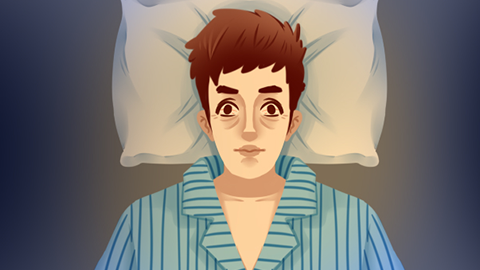
At this point, self-massage can be employed to promote relaxation and alleviate physical fatigue, thereby facilitating sleep onset. Prior to bedtime, avoid placing the nervous system in either a depressed or overstimulated state. Instead, focus on pleasant or calming thoughts—this mental shift can significantly ease the transition into sleep. For individuals experiencing chronic insomnia and frequent dreaming, TCM interventions—including herbal formulations or acupuncture—may also be beneficial for restoring physiological balance.
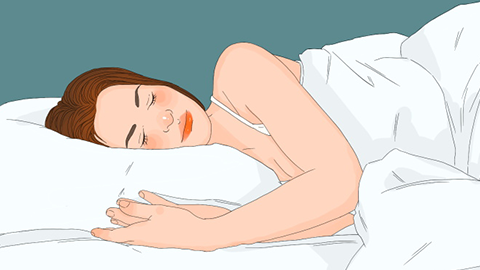
In daily life, maintain disciplined eating habits: avoid spicy, stimulating foods, refrain from binge eating, and eliminate late-night activity. We hope this information proves helpful.


