


How long does insomnia last after quitting smoking?

Insomnia is primarily associated with lifestyle habits and psychological state. In most cases, it is triggered by smoking cessation. Under such circumstances, it is recommended to increase outdoor physical activity and engage regularly in exercise to improve sleep quality. Drinking millet porridge or milk before bedtime may help calm the nervous system. So, how long does insomnia last after quitting smoking?
How long does insomnia last after quitting smoking?
Insomnia following smoking cessation typically resolves within approximately one month; individuals with milder symptoms may recover in about one week. This insomnia is a related symptom caused by abnormal changes in brain neurotransmitters after quitting smoking. Nicotine in cigarettes downregulates key neurotransmitters—particularly dopamine—in the brain. Upon cessation, the absence of nicotine leads to neurotransmitter imbalance, manifesting as insomnia or other withdrawal symptoms such as dizziness, headache, nausea, and vomiting. Generally, the most severe symptoms peak during the first week and gradually subside over subsequent follow-up periods.
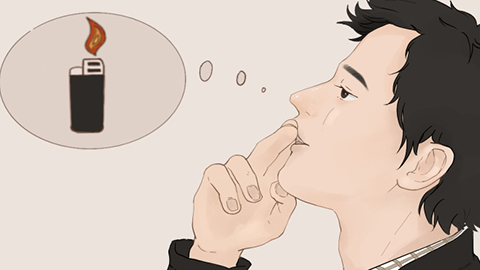
Therefore, for long-term smokers, especially older individuals, it is reasonable to gradually reduce cigarette consumption before completely quitting after a certain period. Consequently, when insomnia or anxiety occurs after quitting smoking, recovery requires time. If withdrawal symptoms—including insomnia, anxiety, dizziness, and headache—are pronounced shortly after cessation, a more appropriate approach is to taper smoking gradually in stages before full cessation. Some patients are particularly prone to insomnia following smoking cessation.
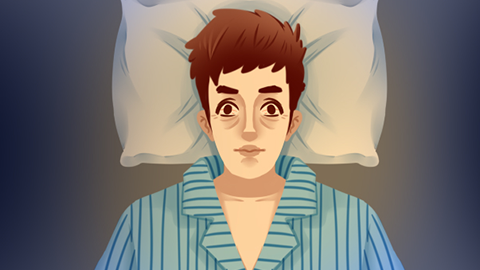
Recovery time for this type of insomnia varies among individuals. In daily life, maintain regular, balanced meals; avoid spicy or stimulating foods, binge eating, and staying up late. We hope this information proves helpful.


