


What does insomnia with frequent dreams indicate?

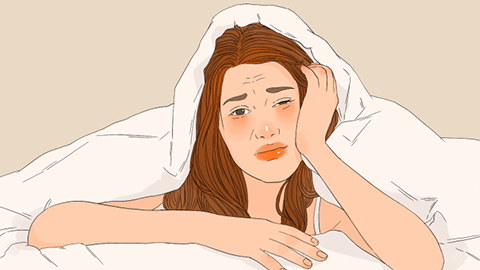
In clinical practice, insomnia and frequent dreaming are often caused by mental tension, excessive thinking, anxiety, and cognitive distortions in patients—factors that can lead to both insomnia and vivid or disturbing dreams. This condition remains highly prevalent. Common contributing factors include the use of electronic devices, high levels of stress, consumption of caffeinated products, and certain medical treatments. So, what exactly is the issue underlying insomnia and frequent dreaming?
What Is the Underlying Issue in Insomnia and Frequent Dreaming?
There are numerous causes of insomnia and frequent dreaming, including physiological factors. For instance, sleep quality naturally declines with age, potentially leading to insomnia. Psychological factors such as anxiety, tension, and anger can also trigger insomnia and vivid dreaming. Additionally, poor sleep environments and unhealthy sleep habits contribute significantly to these symptoms. Therefore, individuals are advised to pay close attention to their daily routines. Under a physician’s guidance, pharmacological interventions—such as taking calming, brain-nourishing herbal tonics—may be helpful. Dietary adjustments are also important: opt for light, bland meals and avoid spicy or greasy foods.
The most effective strategy for preventing insomnia is maintaining a consistent daily routine—particularly regular bedtimes and wake-up times—to help establish and reinforce one’s natural circadian rhythm. Patients should cultivate confidence and avoid excessive worry about occasional episodes of insomnia, as the body is generally capable of self-regulation and adaptation. Engaging in moderate physical activity at consistent times each morning and afternoon can help prevent daytime napping and nighttime wakefulness; however, vigorous exercise should be avoided shortly before bedtime. Furthermore, it is advisable to refrain from using electronic devices—including smartphones and computers—in the hour preceding sleep.
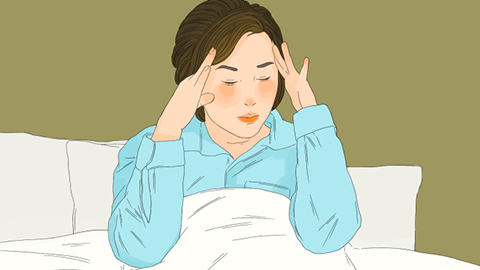
In daily life, cultivating healthy lifestyle and dietary habits is essential. We hope this information proves helpful to you.


