


How is respiratory OCD treated?

Many patients with obsessive-compulsive disorder (OCD) feel anxious after receiving a diagnosis, worrying that they may never fully regain their prior state of health. A common question that arises is: “How is respiratory OCD treated?”
How Is Respiratory OCD Treated?
Respiratory OCD can be managed through self-directed strategies, medication, and other therapeutic approaches. Self-management techniques often enrich daily life. In respiratory OCD, patients become excessively preoccupied with their breathing, frequently attempting to consciously control it. In severe cases, this hyperawareness may even impair the ability to breathe automatically. Therefore, patients should be encouraged not to feel tense or anxious; instead, they should actively employ various distraction techniques—such as singing—to shift attention away from breathing. Additionally, fostering social connections—making new friends or spending time with existing ones—can be highly beneficial. The cornerstone of treatment for respiratory OCD lies in self-directed strategies aimed at gradually relaxing the body and releasing anxiety. Medication, if prescribed, must be administered under the guidance of a qualified physician.
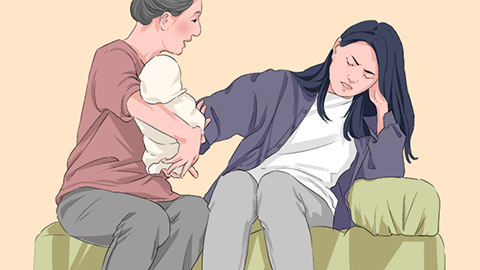
Respiratory OCD is typically triggered by disturbances in respiratory rhythm or rate. Some cases stem from physiological dysfunctions—for instance, autonomic nervous system dysfunction induced by stress or emotional agitation. This often leads to hyperventilation, which usually resolves with adjustments such as head positioning or quiet rest. Thus, respiratory OCD is generally treatable and reversible. In severe cases, patients may develop respiratory distress—a condition potentially attributable to either pulmonary or extrapulmonary causes, including severe intrapulmonary infection, pulmonary embolism, severe pancreatitis, or massive fluid infusion—all of which may precipitate respiratory OCD.

In daily life, patients should maintain a positive mindset, actively cooperate with healthcare providers during treatment, take prescribed medications consistently and as directed, and pay close attention to routine self-care—thereby facilitating prompt clinical improvement.


