


What should I do if blowing my nose causes tinnitus?

Tinnitus is a highly distressing condition; chronic tinnitus may impair hearing. In some cases, tinnitus occurs during or after nose-blowing. So, what should one do if nose-blowing triggers tinnitus?
What to Do If Nose-Blowing Causes Tinnitus
Try blowing your nose gently and observe whether tinnitus develops. If the tinnitus persists—or if you experience additional symptoms such as nasal congestion, a sensation of ear fullness, or hearing loss—you should seek medical evaluation to assess ear patency and check for tympanic membrane rupture or perforation. If forceful nose-blowing has caused a tympanic membrane perforation, regular follow-up visits are essential to prevent water exposure to the ear; in some patients, the eardrum may heal spontaneously over time. Some individuals may develop secretory otitis media, which can be managed with intranasal corticosteroids (e.g., mometasone furoate nasal spray) to improve eustachian tube function; oral antibiotics (e.g., extended-release cefalexin) may be prescribed when clinically indicated.
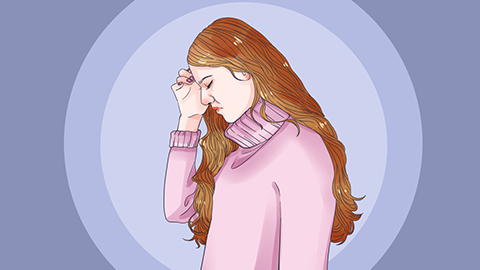
Nose-blowing–induced tinnitus requires tailored management depending on clinical presentation. In patients presenting solely with tinnitus—without nasal inflammation or significant pain—the condition is typically attributed to excessive pressure during nose-blowing, resulting in transient imbalance of middle-ear pressure. Such symptoms usually resolve spontaneously within 3–5 days.
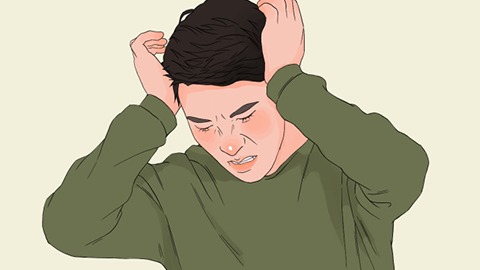
Patients may alleviate symptoms by pinching the nostrils shut and performing gentle Valsalva maneuvers (i.e., exhaling gently against closed nostrils) to equalize middle-ear pressure. If nasal secretions are present during nose-blowing, pressure imbalances may allow secretions to enter the middle ear, potentially triggering otitis media—requiring antimicrobial therapy. Severe ear pain accompanying tinnitus may indicate tympanic membrane rupture and warrants prompt medical attention. We hope this article has been helpful. Wishing you a happy life and good health!


