


Can allergic rhinitis in children cause nosebleeds?

There are many symptoms associated with allergic rhinitis. First, patients often experience intense nasal itching during episodes—so severe that it becomes unbearable. Next, frequent sneezing occurs; many clinical patients sneeze more than ten or even dozens of times in succession—this may indicate allergic rhinitis. So, can allergic rhinitis cause nosebleeds in children?
Can allergic rhinitis cause nosebleeds in children?
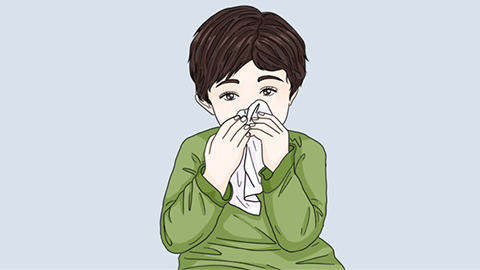
Nosebleeds (epistaxis) are not a common symptom of allergic rhinitis. However, some children with allergic rhinitis do experience epistaxis. This is because the nasal mucosa in children is relatively soft and highly vascularized. In allergic rhinitis, allergen exposure causes the nasal mucosa to become increasingly congested and edematous, thereby weakening its defensive capacity. Additionally, young children have limited self-control and, due to nasal congestion and itching, frequently pick their noses—a behavior that damages the nasal mucosa and ruptures the abundant capillaries within the nasal cavity, leading to bleeding.
Maintain a clean home environment to minimize exposure to dust mites. Wash children’s bed linens in hot water, ideally changing them weekly. Avoid purchasing excessive plush toys—and especially refrain from placing or storing them on beds—to prevent bacterial growth and dust accumulation. Carpets should be avoided in children’s bedrooms, as they tend to harbor dirt and are breeding grounds for dust mites. Limit outdoor excursions during spring and summer to reduce exposure to environmental allergens that may trigger allergic rhinitis. Avoid keeping pets; if pets are present, ensure regular cleaning. Medications may also be used under a physician’s guidance.

Should this occur, there is no need for excessive concern—prompt and appropriate treatment should be sought to alleviate symptoms. We hope this information proves helpful.


