


What are the causes of frequent nosebleeds in an 8-year-old boy?

Many people still hold the traditional belief that nosebleeds (“epistaxis”) are caused by “excessive internal heat.” However, prolonged or recurrent nosebleeds may lead to symptoms such as dizziness, vertigo, or signs of anemia—conditions that warrant medical attention. So, what are the possible causes of frequent nosebleeds in an 8-year-old boy?
What Causes Frequent Nosebleeds in an 8-Year-Old Boy?
Dryness of the nasal mucosa is a common contributor. Patients with chronic rhinitis, sinusitis, or allergic rhinitis are particularly prone to nasal mucosal erosion; dryness further increases capillary fragility, leading to rupture and bleeding—accounting for over 95% of epistaxis cases. Excessive consumption of “heat-inducing” foods (e.g., spicy, fried, or overly rich foods) may trigger physiological changes that predispose individuals to nosebleeds. Normally, the nasal septum evenly divides the left and right nasal cavities; however, when it deviates toward one side (septal deviation), the mucosa on the deviated side is more exposed to turbulent airflow during respiration, increasing susceptibility to trauma and bleeding. Nasal polyps or tumors may also cause epistaxis. Therefore, children experiencing recurrent nosebleeds should undergo routine blood tests—including complete blood count (CBC) and coagulation function assessment.
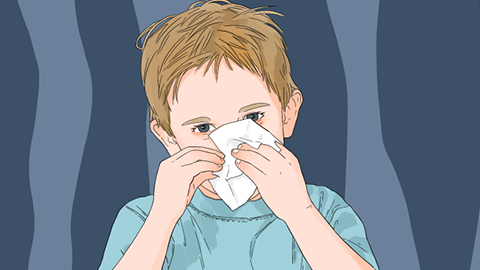
Avoid nose-picking. Oral vitamin C supplementation may be beneficial. Encourage adequate hydration and increased intake of fruits and vegetables. In cases of severe or persistent epistaxis, CBC and platelet count testing are recommended. If blood test results are normal, referral to an otolaryngologist (ENT specialist) for further evaluation is advised. Mild epistaxis can often be controlled using digital compression—applying firm pressure to both sides of the soft part of the nose for 10–15 minutes. For severe epistaxis, anterior nasal packing may be required, using sterile gauze or specialized nasal tampons to achieve hemostasis. Additionally, using a humidifier indoors helps maintain optimal ambient humidity and reduces nasal dryness. Regular nasal irrigation with isotonic saline solution helps keep the nasal mucosa moist and clean. Application of erythromycin ointment inside the nostrils may enhance mucosal elasticity, provide antimicrobial protection, and promote healing.
Timely and appropriate treatment can effectively prevent recurrent epistaxis. When necessary, patients should seek professional medical care at a hospital. We hope this information proves helpful.


