


What should be done for loss of appetite and nausea in the elderly?

Anorexia has a certain relationship with seasonal changes; the hot and dry weather of summer can affect elderly individuals’ appetite to some extent. However, the primary causes are improper diet, inadequate rest, and long-term selective or unbalanced eating habits. It may also result from deficiencies in specific physiological elements essential for normal digestive function. So, what should be done when elderly individuals experience anorexia and nausea?
What to Do When Elderly Individuals Experience Anorexia and Nausea
Anorexia and nausea in the elderly are commonly caused by chronic gastritis, gastric cancer, or liver/kidney diseases. First, if an elderly patient has previously experienced recurrent symptoms such as gastric pain or abdominal distension, and recently develops loss of appetite, reduced food intake, and nausea—but remains otherwise in good general condition without weight loss—this typically indicates chronic gastritis. Second, if an elderly individual experiences a marked recent decline in appetite accompanied by nausea and progressive weight loss, along with overall poor health status, gastric cancer must be considered and ruled out. Finally, if the elderly person has a history of hepatitis or chronic kidney disease and now presents with anorexia and nausea, hepatic or renal disease should be suspected, and liver and kidney function tests are required for definitive diagnosis.
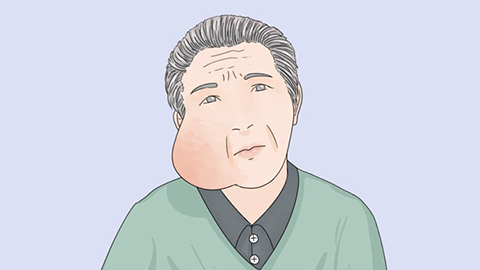
To alleviate anorexia and nausea, elderly individuals may consume appetite-stimulating foods such as hawthorn, bananas, and apples. If necessary, prokinetic medications may be taken orally to enhance gastrointestinal motility, thereby aiding digestion and improving appetite. Daily attention should be paid to maintaining healthy dietary and lifestyle habits to prevent recurrence of symptoms. Avoid coarse, hard, or difficult-to-digest foods; abstain from smoking and alcohol; and limit intake of coffee, strong tea, and carbonated beverages.
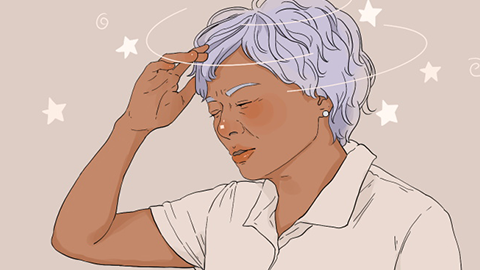
Elderly patients are advised to minimize consumption of beverages that irritate the stomach and to engage regularly in physical exercise to strengthen their constitution. We hope this information is helpful to you.


