


How is traumatic tinnitus treated?

The primary cause of traumatic tinnitus is injury to the external auditory canal and tympanic membrane, leading to conductive hearing loss—and concurrently, tinnitus. So how is traumatic tinnitus treated?
How Is Traumatic Tinnitus Treated?
If a patient develops tinnitus following trauma, prompt medical evaluation at a hospital is essential. The most critical diagnostic steps include otoscopic examination and temporal bone CT scanning. In some cases, blood clots (scabs) accumulate in the ear after injury, causing a sensation of ear fullness or blockage and triggering tinnitus. Typically, once these dried blood clots naturally slough off, tinnitus symptoms improve. Therefore, it is crucial not to forcibly remove such clots, as this may provoke re-bleeding.

Another possibility is traumatic tympanic membrane perforation. Such perforations often heal spontaneously within one to two months. If necessary—and provided the patient’s general condition permits—tympanic membrane repair surgery (myringoplasty) may be performed, which can lead to partial relief of tinnitus. Additionally, neural damage may contribute to tinnitus; in such cases, medications like oryzanol (gamma-oryzanol) and coenzyme A may help alleviate symptoms.
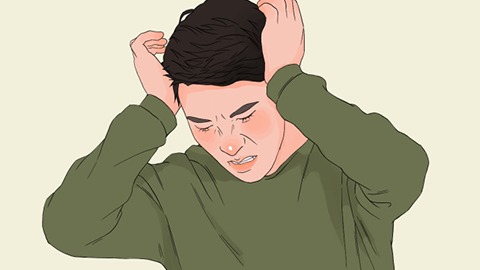
Many people mistakenly believe tinnitus is trivial and does not require urgent treatment. They only recognize a problem when hearing impairment becomes apparent. However, traumatic tinnitus can persist for extended periods—without timely intervention, it may last for years or even decades. Early treatment is therefore highly recommended: not only does it increase the likelihood of complete resolution, but it also reduces overall treatment costs. We hope this information proves helpful!


