


Why does a child experience nosebleeds during a cold with fever?

During seasonal transitions, many children catch colds. Sometimes, a cold is followed by fever, and in rare cases, children may experience nosebleeds concurrently with their cold. So, what causes nosebleeds in children who have a cold and fever?
What Causes Nosebleeds in Children with Cold and Fever?
Nosebleeds in children with colds and fever are typically associated with acute upper respiratory tract infections, viral infections, or nasal mucosal dryness. Upon noticing such symptoms, prompt medical intervention is essential: active antipyretic (fever-reducing) treatment, hemostasis (bleeding control), infection management, and/or administration of anti-inflammatory medications are recommended. For hemostasis, medications such as etamsylate (Anluoxue) and vitamin C may be prescribed alongside anti-inflammatory agents. To control infection, antiviral agents (e.g., ribavirin) or antibiotics (e.g., amoxicillin) may be used. After the fever subsides, medications such as Anlike (a proprietary Chinese medicine for symptomatic relief) may be administered.
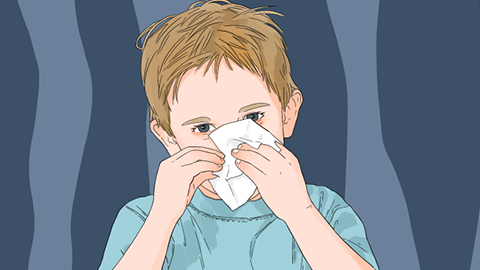
In severe cases, children should be taken to a reputable hospital for professional medical evaluation and care. During illness, ensure adequate rest and avoid “heat-inducing” foods (e.g., spicy or fried foods). Instead, encourage consumption of abundant fruits and vegetables to support recovery.
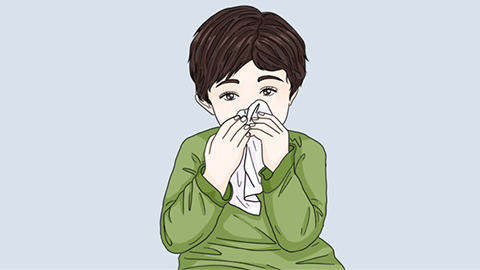
When a child experiences cold, fever, and nosebleeds, encourage increased intake of vegetables and fruits, ample hydration, and avoidance of spicy or drying foods. Also advise against nose-picking. We hope this article has been helpful. Wishing you joy in daily life and good health!


