


What are the possible causes of persistent nosebleeds?
Aug 24, 2022
Source: Cainiu Health

Dr. Xu Gang
Introduction
There are many causes of recurrent nosebleeds, including nasal dryness, excessive nose-picking, deviated nasal septum, and superficial blood vessels in the nasal mucosa. Inadequate water intake may contribute to nasal inflammation or trauma. Apply Xiguashuang (Watermelon Frost) spray and Xi Powder (a traditional Chinese medicine) to the affected area. Drink plenty of water, consume more vegetables and fruits, avoid spicy and salty foods, refrain from picking your nose, and use a saline seawater nasal spray.
Nosebleeds (epistaxis) are common in daily life for many people. After experiencing a nosebleed, it’s important to pay attention—so what causes recurrent or persistent nosebleeds?
Causes of Recurrent Nosebleeds
There are numerous potential causes of recurrent nosebleeds, including nasal dryness, excessive nose-picking, deviated nasal septum, and superficial blood vessels in the nasal mucosa. Inadequate water intake may also contribute to nasal inflammation or minor trauma. Topical treatments such as watermelon frost spray or Xifeng powder may be applied locally. Additionally, increase fluid intake, consume more vegetables and fruits, avoid spicy and salty foods, refrain from picking your nose, use saline nasal spray regularly, and consult an otolaryngologist (ENT specialist). Nasal endoscopy, complete blood count (CBC), and coagulation function tests may be recommended.
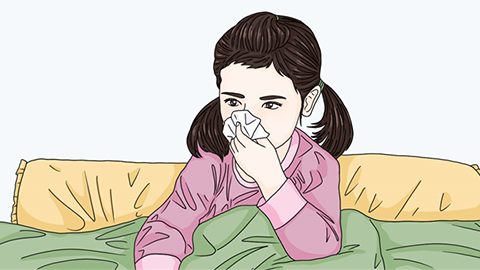
After a nosebleed occurs, gently pinch the soft part of the nose (the nasal bridge) with both hands and hold for several minutes. Within one to two minutes, you should observe some hemostatic effect. Alternatively, apply a cold, damp towel to the forehead—it can also help control bleeding.
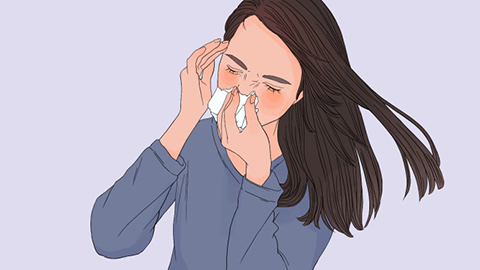
Do not lie flat immediately after a nosebleed, as this may cause blood to flow backward through the nasopharynx into the esophagus. Instead, sit upright or adopt a semi-reclining position to maintain airway patency and prevent blood from draining from the nasal cavity into the mouth. For severe or profuse bleeding, seek medical attention promptly—do not delay. Individuals who experience frequent nosebleeds should drink plenty of water to prevent nasal dryness and internal heat (“fire”), and consider whether low platelet counts (thrombocytopenia) related to individual constitution may be contributing. Eating fresh fruits and vegetables regularly helps replenish bodily fluids and effectively alleviates symptoms. We hope this information is helpful. Wishing you good health and happiness!


