


What Causes Nausea and Dry Heaving in People with Poor Gastric Health?

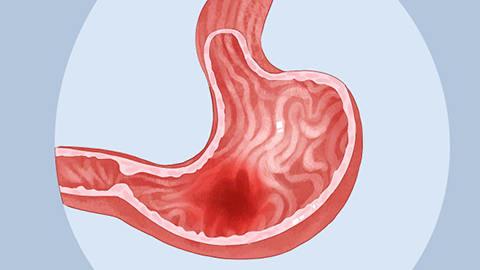
Many people may not realize they have gastric health issues until they experience severe pain—by which time they’ve often already identified a pattern to their discomfort. When this occurs, they naturally become highly anxious, and psychological stress increases significantly. So, what causes dry heaving when the stomach is unhealthy?
Causes of Dry Heaving Associated with Gastric Dysfunction
Gastric discomfort and dry heaving may stem from gastrointestinal disorders. They can also result from prolonged fasting or abdominal exposure to cold. If gastrointestinal disease is the underlying cause, prokinetic agents such as motilin or mosapride—and antibiotics like clarithromycin—may be prescribed. If symptoms arise from extended fasting, timely food intake usually resolves them spontaneously. For cases triggered by abdominal chilling, applying a hot water bottle to the abdomen can provide warmth and relief.

Treatment for gastric dysfunction and dry heaving must be tailored to the specific etiology and clinical presentation. Since gastric disorders encompass numerous conditions, patients experiencing nausea and dry heaving should avoid self-medicating. Instead, they should seek medical evaluation to determine the precise cause. For instance, nausea and dry heaving due to acute gastroenteritis require physician-guided management—including prokinetic and antiemetic medications such as domperidone or trifluoperazine—to suppress vomiting and alleviate symptoms. Upper or mid-abdominal pain may suggest pancreatitis, necessitating prompt hospital evaluation; treatment under medical supervision may include antibiotics, antispasmodics, analgesics, and intravenous fluid replacement.
In certain cases, surgical intervention may be necessary to effectively manage the condition and improve patient outcomes. We hope this information proves helpful to you.


