


What causes tinnitus that sounds like cicadas chirping?
Aug 24, 2022
Source: Cainiu Health

Dr. Xu Gang
Introduction
The patient experiences tinnitus resembling the chirping of cicadas, which is typically sensorineural tinnitus. This type of tinnitus has numerous potential causes. For instance, prolonged exposure to noisy environments or excessive use of headphones may lead to cicada-like tinnitus. In some patients, sudden sensorineural hearing loss—often accompanied by cicada-like tinnitus—may occur due to excessive psychological or emotional stress, sleep deprivation, or other related factors. In elderly patients, …
Tinnitus is a common and frequently occurring condition in the otolaryngology department. Sometimes it sounds like the chirping of cicadas—so what causes this “cicada-like” tinnitus?
What Causes Cicada-Like Tinnitus?
When patients describe their tinnitus as resembling the sound of cicadas, it is typically neurogenic (or sensorineural) tinnitus. This type of tinnitus may arise from various underlying causes. For instance, prolonged exposure to noisy environments or excessive use of headphones can trigger cicada-like tinnitus. In some cases, sudden sensorineural hearing loss—often accompanied by cicada-like tinnitus—may occur due to excessive psychological stress or chronic sleep deprivation. In elderly patients, tinnitus commonly results from age-related deterioration of inner ear and auditory nerve function, or from insufficient blood supply to these structures.
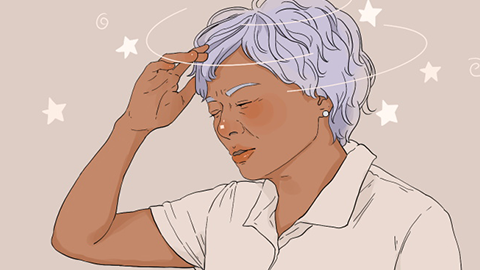
Neurogenic tinnitus—also termed primary tinnitus—is caused by various ear disorders, including external auditory canal diseases, otitis media, tympanic membrane injury, otosclerosis, acoustic neuroma, cholesteatoma, and vascular tumors. Clinically, tinnitus is categorized into objective and subjective types based on diagnostic criteria. Objective tinnitus originates from an actual external sound source detectable by others, whereas subjective tinnitus refers to sounds perceived only by the patient—despite their absence in the external environment—and is most commonly associated with neurogenic tinnitus.
Currently, traditional Chinese medicine (TCM) and acupuncture are widely used for treating primary tinnitus. Herbal formulations with blood-activating and stasis-resolving properties may be selected. After developing neurogenic tinnitus, patients should avoid adopting a passive or defeatist attitude; instead, maintaining a positive mindset and acquiring accurate knowledge about tinnitus significantly facilitates recovery. We hope this information proves helpful to you!


