


Can people with gastritis drink coffee?
Aug 24, 2022
Source: Cainiu Health

Dr. Zhao Haiming
Introduction
Patients with gastritis are advised not to drink coffee. Coffee is irritating to the stomach, primarily due to its acidic components—most notably chlorogenic acid—which can directly irritate the gastric mucosa and contribute to gastritis. Additionally, coffee contains high levels of caffeine, which stimulates the central nervous system and triggers excessive gastric acid secretion. Excessive gastric acid secretion is a primary cause of gastritis; once acid levels rise, the gastric mucosa becomes susceptible to autodigestion.
Many people today have unhealthy eating habits—not only do they eat irregularly and frequently overeat, but they also prefer spicy or raw/cold foods that strongly irritate the gastrointestinal tract. Over time, this can lead to severe gastritis, manifesting as stomach pain and excessive gastric acid secretion—prompting the need for timely treatment. So, can individuals with gastritis drink coffee?
Can individuals with gastritis drink coffee?
Coffee is not recommended for patients with gastritis. This is because coffee irritates the stomach, primarily due to its acidic components—most notably chlorogenic acid—which directly stimulates the gastric mucosa and may contribute to gastritis development. Additionally, coffee contains high levels of caffeine, which stimulates the central nervous system and triggers excessive gastric acid secretion. Excessive gastric acid production is a primary cause of gastritis; once secreted in excess, gastric acid begins digesting the gastric mucosa itself. As commonly stated, “No gastric acid, no gastritis”—this underscores acid hypersecretion as the fundamental pathogenic mechanism. If you particularly enjoy coffee, it’s acceptable—but you must modify your coffee-drinking habits: avoid drinking coffee on an empty stomach and refrain from consuming black (unadulterated) coffee.
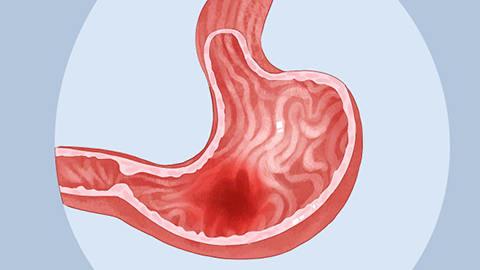
Individuals with gastritis should avoid spicy and greasy foods in daily life and limit intake of other irritating foods. They should also avoid cold foods—including ice cream and chilled mineral water—and must abstain from alcohol. Patients may consume more easily digestible carbohydrate-rich foods such as pasta and should prioritize nutrient-dense meals. It is equally important to avoid smoking and alcohol consumption. During gastritis treatment, certain medications are typically prescribed; however, alcohol must be strictly avoided during drug therapy, as it may interact adversely with medications and significantly exacerbate bodily harm. Treatment regimens should be individualized based on clinical presentation, and dietary management remains essential throughout therapy.

Patients with gastritis must maintain regular daily routines, avoiding overexertion and late-night activities to support disease recovery. We hope this information proves helpful to you.


