


Can patients with gastric ulcers drink soy milk?
Aug 24, 2022
Source: Cainiu Health

Dr. Zhao Haiming
Introduction
Patients with gastric ulcers may drink soy milk. Such patients should primarily choose foods that are easy to digest, nutritionally rich, and offer some protective effect on the gastric mucosa—such as soy milk, milk, congee, wontons, and noodles. Soy milk increases protein intake, causes no significant irritation to the gastrointestinal tract, is easily digested, ensures adequate nutrition, and promotes ulcer healing. However, soy milk must be consumed in moderation.
Our diets have improved significantly in recent years, yet many of the foods we consume are unhealthy—making it easy to lose control over our intake of oils and meats. Prolonged consumption of an unhealthy diet can trigger gastrointestinal disorders, ranging from gastroenteritis to gastric ulcers. So, can individuals with gastric ulcers drink soy milk?
Can patients with gastric ulcers drink soy milk?
Yes, patients with gastric ulcers may drink soy milk. Their dietary choices should prioritize easily digestible, nutrient-rich foods that offer some protective effect on the gastric mucosa—such as soy milk, milk, congee, wonton soup, noodles, and porridge. Soy milk boosts protein intake without causing significant irritation to the gastrointestinal tract; it is readily digested and helps ensure adequate nutrition, thereby supporting ulcer healing. However, soy milk must be consumed in moderation: while moderate amounts may help protect the ulcer surface and temporarily alleviate symptoms by diluting gastric acid, its calcium and protein content can also stimulate gastric acid secretion. Therefore, patients with gastric ulcers should not drink excessive amounts of soy milk—their intake should remain moderate.
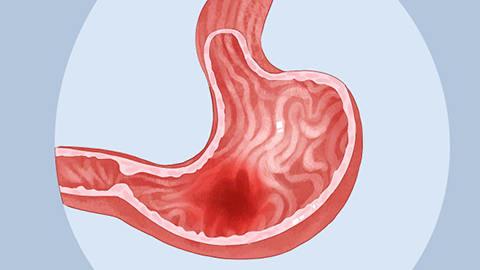
The dietary principle for gastric ulcer patients is to maintain a light, bland diet. Stimulating foods—including ice water, cold beverages, chili peppers, hotpot, greasy foods, chilled watermelon, apples, cucumbers—as well as various teas, coffee, alcoholic beverages, and carbonated drinks, all exert substantial irritation on the gastric mucosa. Such foods may provoke irritative gastric pain, gastric spasm, or increased gastric acid secretion, thereby exacerbating ulcer symptoms and rendering them unsuitable for consumption. Additionally, long-term use of anti-atherosclerotic medications (e.g., statins) or aspirin can irritate the gastric mucosa. Consequently, patients are advised against consuming any food or medication likely to irritate the mucosa.

Patients should avoid binge eating and steer clear of spicy, stimulating, cold, salty, or greasy foods, as these may trigger gastric disorders. We hope this information proves helpful to you.


