


How long can a patient with liver cirrhosis survive after liver transplantation?

Many factors influence the survival duration of liver transplant recipients, including the condition of the transplanted liver, the recipient’s age, post-transplant recovery, and overall physical health. Some patients survive for several decades after transplantation, while others live only a few years; therefore, individuals in this situation are advised to consult a hospital for a thorough evaluation of their health status. So, how long can patients with cirrhosis live after liver transplantation?
How Long Can Patients with Cirrhosis Live After Liver Transplantation?
Current research indicates that many patients with cirrhosis survive for more than five years following liver transplantation; some even survive 10, 20, or even 30 years. Liver transplantation for end-stage cirrhosis is merely the first step—postoperative management is critical. Patients must adhere strictly to long-term oral immunosuppressive therapy, undergo regular monitoring of blood drug concentrations, and proactively manage potential complications to maximize post-transplant survival. Although rare, early postoperative mortality may occur in some end-stage cirrhosis patients due to complications such as infection, hemorrhage, or graft rejection.
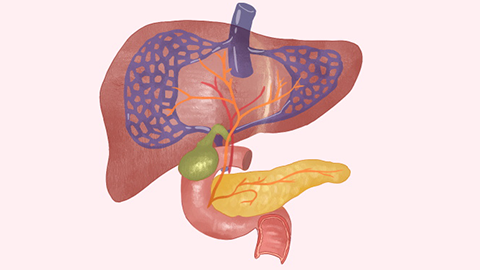
In general, for life-threatening, progressive, and irreversible cirrhosis unresponsive to other treatment modalities, liver transplantation remains the sole effective option to extend survival and achieve favorable therapeutic outcomes. As noted, transplantation itself is only the initial step; lifelong adherence to immunosuppressive medication and routine therapeutic drug monitoring are essential to optimize long-term survival.

In daily life, patients should maintain a disciplined diet—avoiding spicy, irritating, or overly rich foods—and refrain from binge eating or staying up late. We hope this information proves helpful to you.


