What foods should be avoided with appendicitis?
Aug 24, 2022
Source: Cainiu Health

Dr. Zhao Haiming
Introduction
Patients with appendicitis should avoid cold and raw foods, spicy foods, and fried foods. The appendix is surrounded by numerous lymphocytes; poor hygiene may easily allow bacterial invasion, potentially triggering acute inflammation—such as marked redness or severe pain—which constitutes the primary cause of appendicitis. Frequent consumption of unhygienic or cold/raw foods may also contribute to this condition.
Appendicitis is most commonly acute, and once it occurs, prompt medical attention at a hospital is essential. In addition to following the physician’s treatment plan, patients must pay special attention to their diet; poor dietary choices or inappropriate foods can significantly hinder recovery. For instance, if inflammation worsens, avoiding further infection becomes critical. So, what foods should be avoided in appendicitis?
Foods to Avoid with Appendicitis
Patients with appendicitis should avoid cold or raw foods, spicy dishes, and fried foods. The appendix is surrounded by numerous lymphoid cells; poor hygiene may allow bacterial invasion, potentially triggering acute inflammation—manifested by marked redness or severe pain—which constitutes a primary cause of appendicitis. Regular consumption of unhygienic or cold/raw foods, as well as chronic constipation, can impair normal intestinal function and create favorable conditions for pathogenic bacteria such as Escherichia coli and anaerobes—key contributors to appendicitis.

Although ice cream, fruit juice, and milk tea are delicious and widely enjoyed, excessive intake of these items can impair gastrointestinal function. Therefore, patients with appendicitis must avoid them, as consumption may exacerbate their condition. Spicy foods are known to stimulate appetite—a trait many people enjoy—but overly pungent foods can irritate the gastric mucosa and increase the functional burden on the intestines, thereby impeding recovery from appendicitis.
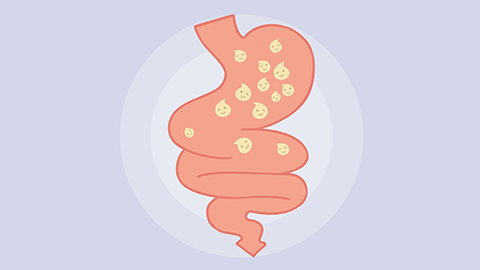
Thus, maintaining a balanced lifestyle—combining adequate rest with moderate activity—is crucial; excessive fatigue and prolonged consumption of spicy foods should both be avoided. We hope this information proves helpful to you.