


How many years can a patient with liver cirrhosis live after liver transplantation?

Liver cirrhosis is a serious health condition requiring individualized treatment based on each patient’s specific circumstances. In fact, patients with cirrhosis should receive appropriate therapeutic interventions according to their current clinical status. Many patients opt for liver transplantation to sustain their health. So, how long can a patient live after liver transplantation for cirrhosis?
How Long Can Patients Live After Liver Transplantation for Cirrhosis?
Post-transplant survival duration varies significantly depending on the individual’s overall health and physiological condition. All liver transplant recipients experience some degree of immune rejection; this may occur five, ten, or even twenty years post-surgery. Once rejection develops, life is placed at significant risk. According to statistical data, the longest documented survival following liver transplantation is 20 years. If a patient with cirrhosis meets the established medical criteria for liver transplantation, this procedure may be considered.
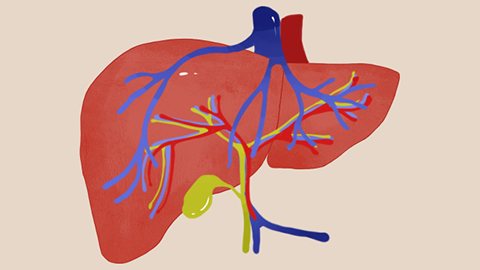
Even after successful liver transplantation, long-term management of the underlying cause remains essential. For instance, if cirrhosis resulted from chronic hepatitis B infection, lifelong antiviral therapy—such as entecavir or tenofovir—is required under physician guidance. Additionally, immunosuppressive medications must be taken continuously to prevent graft rejection. With consistent, comprehensive management—including adequate rest, balanced nutrition, and healthy lifestyle adjustments—patients can achieve extended longevity. Generally, the 10-year survival rate is notably high; some patients survive more than 20 years. Following transplantation, regular follow-up visits are mandatory for all cirrhosis patients, and strict adherence to physicians’ recommendations—including avoidance of sleep deprivation, alcohol consumption, and excessive physical fatigue—is crucial.

In daily life, patients should maintain disciplined dietary habits: avoid spicy and irritating foods, refrain from binge eating or overeating, and eliminate late-night activities. We hope this information proves helpful to you.


