


Is suppurative appendicitis severe?

Appendicitis is an inflammatory condition caused by infection of the appendix and is a very common surgical disease. Both adults and children can develop this condition, with a relatively higher incidence among young males. After onset, patients typically experience right lower abdominal pain, fever, and pronounced vomiting. So, how serious is suppurative appendicitis?
How serious is suppurative appendicitis?
If an appendicitis patient develops suppuration (pus formation), the condition is indeed severe. Bacterial thrombi may accompany venous drainage from the inflamed appendix and travel via the venous system to the liver, leading to life-threatening complications—namely, portal vein inflammation (pyelophlebitis) and hepatic abscesses—which endanger life. Additionally, intra-abdominal infection may progress to diffuse peritonitis and trigger septic shock, both of which pose serious threats to life. In severe cases, abdominal infection may worsen, necessitating reoperation. Thus, suppurative appendicitis carries definite risks.
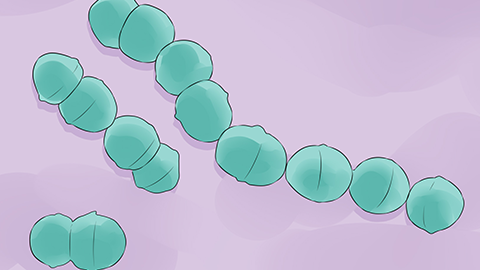
Suppurative appendicitis is highly serious. When suppuration occurs, bacteria readily enter the bloodstream. Venous drainage from the appendix may precipitate severe complications such as portal vein inflammation and hepatic abscesses. Suppurative appendicitis also predisposes to appendiceal perforation, resulting in severe peritonitis. Once inflammation enters the bloodstream, it easily triggers systemic toxic responses, leading to bacteremia and subsequently septic shock—endangering life. In cases of severe suppuration, intra-abdominal intestinal adhesions (scarring) may develop. Postoperatively, patients are at increased risk for intestinal adhesions and bowel obstruction.
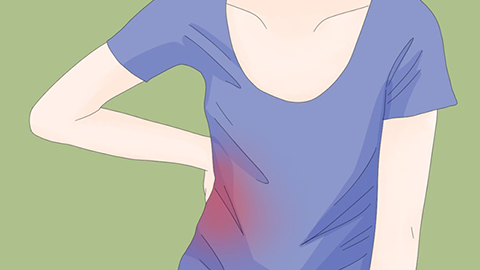
It is recommended that patients recognize suppurative appendicitis as dangerous and seek prompt medical intervention upon diagnosis. Avoid consuming foods that may exacerbate inflammation (“heat-inducing” foods), and maintain regular, unobstructed bowel movements to prevent worsening of the condition. We hope this information proves helpful.


