


What Fruits Can Be Eaten with Gastric Ulcers?
Aug 24, 2022
Source: Cainiu Health

Dr. Zhao Haiming
Introduction
Patients with gastric ulcers may consume certain yellow fruits, such as oranges, mangoes, persimmons, papayas, watermelons, and red grapefruits; fruits naturally rich in vitamin C, such as jujubes (Chinese dates) and kiwifruits; dried fruits and walnuts; and red fruits like grapes and strawberries. However, patients with gastric ulcers should avoid fruits with high acidity, including lemons, hawthorns, waxberries, green plums, and prunes. In daily life, patients with gastric ulcers should pay close attention to their diet.
If you have a basic understanding of gastric ulcers, you’ll know that dietary requirements become especially stringent when the condition is active—not only in everyday meals but also in the selection of vegetables and fruits. Therefore, when patients develop gastric ulcers, a common question arises: “Which fruits are safe for individuals with gastric ulcers to eat?”
Fruits Suitable for Gastric Ulcer Patients
Gastric ulcer patients may consume certain yellow fruits, such as oranges, mangoes, persimmons, papayas, watermelons, and red grapefruits; fruits naturally rich in vitamin C, including jujubes (Chinese dates) and kiwifruit; dried fruits and walnuts; and red fruits like grapes and strawberries. However, patients should avoid highly acidic fruits—such as lemons, hawthorns, waxberries, green plums, and prunes. In daily life, gastric ulcer patients must pay close attention to their diet: meals should be light and easily digestible.
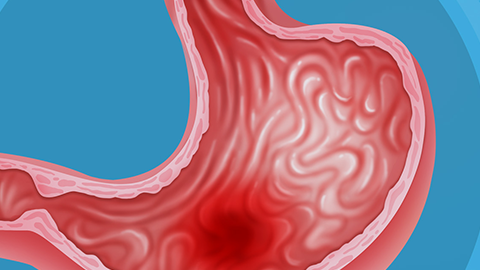
Patients should avoid raw, cold, greasy, spicy, and otherwise irritating foods. Instead, they should adopt a pattern of eating smaller portions more frequently, chewing food thoroughly and slowly, and prioritizing softer, more easily digestible foods—while strictly avoiding overeating or binge eating. Smoking, alcohol consumption, strong tea, coffee, and carbonated beverages should also be avoided. Regular moderate exercise, adequate rest, drinking warm boiled water, and ensuring sufficient sleep are all recommended. In addition to maintaining proper nutrition, patients should undergo regular medical check-ups.
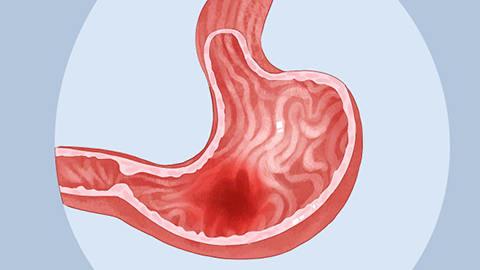
Patients are advised to adjust their dietary habits appropriately: meals should be taken at consistent times and in appropriate portions—never skipped, delayed, or consumed excessively. We hope this information proves helpful to you.


