


How is chronic non-atrophic gastritis treated?

In daily life, many patients have unhealthy lifestyle and dietary habits. These habits can trigger chronic non-atrophic gastritis, posing significant health risks to patients. So, how is chronic non-atrophic gastritis treated?
How Is Chronic Non-Atrophic Gastritis Treated?
The treatment of chronic non-atrophic gastritis begins with gastroscopy to confirm whether Helicobacter pylori infection is present. If infection is detected, eradication therapy is required—typically a triple therapy regimen consisting of two antibiotics plus one proton pump inhibitor (PPI). A common combination is amoxicillin + clarithromycin + omeprazole. In cases where no H. pylori infection is found, oral antacids and gastric mucosal protective agents—such as pantoprazole or sucralfate—may be prescribed.
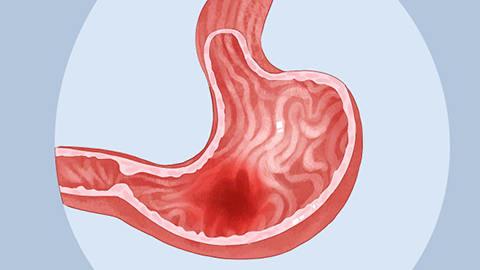
The primary causes of chronic non-atrophic gastritis are long-term irregular eating patterns, smoking, and alcohol consumption. These factors weaken the gastric mucosal defense or lead to excessive gastric acid secretion, resulting in acid-induced mucosal injury and corresponding clinical manifestations. According to Traditional Chinese Medicine (TCM), chronic gastritis reflects disharmony between the spleen and stomach or between the liver and stomach, and is typically a protracted condition. Therefore, Western medications—particularly acid-suppressing agents—should be combined with symptom-targeted therapies. Patients should maintain regular eating habits, avoid overeating or binge eating, consume three balanced meals at fixed times each day, and increase intake of fresh vegetables and fruits.

It is recommended that, alongside conventional Western medical treatment, patients also seek TCM diagnosis and holistic regulation. We hope this response proves helpful to you.


