


Which department should I visit for gastric ulcers?

Nowadays, an increasing number of people—especially young adults—are suffering from gastric disorders. Irregular eating habits, coupled with a preference for spicy, stimulating, cold, or raw foods, can trigger symptoms such as stomach pain, bloating, excessive gastric acid secretion, and heartburn. When these symptoms arise, prompt medical evaluation and treatment at a hospital are essential. So, which department should one visit for gastric ulcers?
Which Department Should You Visit for Gastric Ulcers?
Gastric conditions can be managed in either the Gastrointestinal Medicine Department or the Spleen-Stomach Medicine Department (in Traditional Chinese Medicine hospitals). Diagnosis typically involves gastroscopy and breath testing to assess the patient’s condition accurately and guide targeted treatment. For Western medical treatment, patients should consult the Department of Gastroenterology. In TCM hospitals, the Spleen-Stomach Medicine Department is the appropriate choice. Prior to initiating treatment, a comprehensive gastroscopic examination is necessary to evaluate the extent and nature of the gastric pathology. Following gastroscopy, a breath test can determine whether *Helicobacter pylori* infection is present.
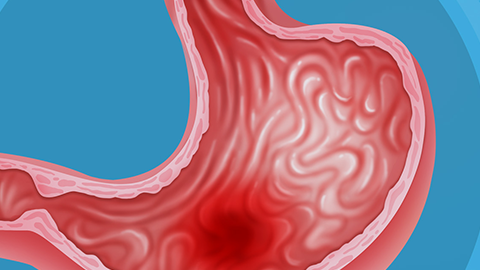
To alleviate discomfort caused by gastric disorders, it is crucial first to cultivate healthy dietary habits. Generally, one should consume light, easily digestible foods while avoiding greasy, overly sweet, cold, spicy, sour, hard, or highly processed foods. Smoking and alcohol consumption must also be discontinued, as both can irritate the stomach and exacerbate gastric disease. Many individuals develop gastric disorders due to irregular meal patterns—alternating between prolonged fasting and overeating. Therefore, patients must adhere to regular, portion-controlled meals.

Patients are also encouraged to listen to soothing music regularly and engage in relaxed conversations with friends, as these activities may help ease symptoms. We hope this information proves helpful to you.


