


Is OCD Scary?

Obsessive-compulsive disorder (OCD) is a pathological condition characterized by persistent, intrusive thoughts and compulsive behaviors—individuals feel driven to perform certain actions repeatedly. After onset, patients experience an uncontrollable urge to carry out various repetitive acts. So, is OCD truly frightening?
Is OCD frightening?
OCD is indeed frightening. It is a serious mental health disorder; without timely treatment, the condition may progressively worsen. Common manifestations include obsessive thoughts, compulsive urges, and compulsive behaviors—all of which significantly impair daily functioning and may lead to severe suicidal ideation. Although individuals with OCD recognize that their thoughts and behaviors are irrational, they remain unable to control them, resulting in profound psychological distress. Over time, this chronic burden often evolves into a more severe psychiatric disorder. Patients frequently exhibit indecisiveness and excessive caution, and their personality may become distorted—further exacerbating the risk of developing serious mental illness.

Treatment for OCD requires adherence to professional medical advice and sustained, long-term intervention. Maintaining a healthy lifestyle and nurturing supportive interpersonal relationships can significantly enhance treatment efficacy and reduce the likelihood of relapse. OCD is defined by recurrent, persistent obsessions or compulsions. Patients engage in repetitive, rigid, or ritualistic behaviors while simultaneously recognizing their inability to control these thoughts or actions—making consistent, long-term therapeutic engagement essential in daily life.
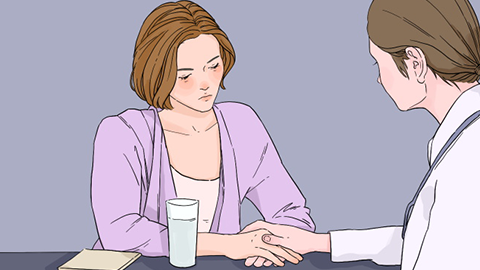
Although OCD is frightening, what patients need most is compassionate support from family and friends to facilitate meaningful recovery. We hope this response has been helpful to you.


