


What is bile reflux gastritis?

Bile reflux gastritis is a relatively common gastric disorder with a high incidence rate, and an increasing number of individuals are being clinically diagnosed with it. To effectively prevent and manage this condition, it is essential to understand its underlying causes. So, what exactly is bile reflux gastritis?
What Is Bile Reflux Gastritis?
Bile reflux gastritis is an abnormal pathological condition primarily resulting from surgical procedures involving the gastric pylorus. It is a relatively common medical condition characterized by the backflow of bile into the stomach, leading to inflammation or erosion of the gastric mucosa. In some cases, it may also cause gastrointestinal bleeding and ultimately impair the protective barrier function of the gastric mucosa. This disease is often accompanied by a variety of symptoms.

Patients with bile reflux gastritis should opt for bland, non-greasy foods and avoid fatty meals, as these can stimulate increased bile secretion and thereby exacerbate the condition. Meals should be eaten slowly and chewed thoroughly; overeating or binge eating must be avoided. Additionally, strong tea and coffee should be avoided, as should spicy or otherwise irritating foods. Smoking and alcohol consumption must be discontinued. Adhering to regular dietary habits is crucial—meals should be taken at consistent times each day, and patients should avoid both prolonged fasting and excessive fullness.
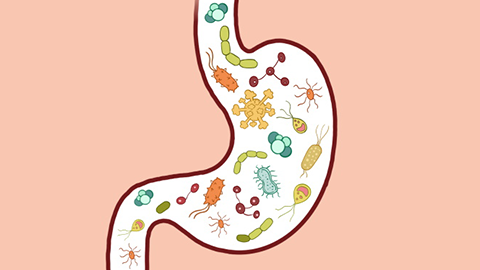
To treat bile reflux gastritis effectively, the primary step is to eliminate causative factors—particularly avoiding medications that irritate the gastric mucosa. We hope this information proves helpful to you.


