


What should I do for nasal congestion and tinnitus?

In daily life, people are constantly exposed to numerous diseases that are difficult to guard against—nasal polyps being one such common condition. This disorder causes discomfort and obstructed breathing, often giving patients the persistent sensation of nasal congestion. In some cases, it may even lead to epistaxis (nosebleeds). So, what should one do when experiencing tinnitus after nose-blowing?
What to Do When Experiencing Tinnitus After Nose-Blowing
If tinnitus occurs after nose-blowing, stop blowing your nose immediately. If nasal secretions are abundant and nose-blowing is necessary, gently blow through one nostril at a time—avoid applying simultaneous pressure on both sides of the nasal wings. Doing so may open the Eustachian tube (auditory tube) located in the nasopharynx, allowing air pressure to directly impact the middle ear and trigger tinnitus. Moreover, forceful nose-blowing can propel nasal secretions retrograde through the Eustachian tube into the middle ear, potentially causing otic fullness, tinnitus, hearing loss, and even otitis media.

When rhinitis or sinusitis is present, appropriate treatment is essential. For acute rhinitis or allergic rhinitis, typical symptoms include rhinorrhea (runny nose), nasal congestion, sneezing, and nasal pruritus (itching). In such cases, intranasal corticosteroids—such as mometasone furoate or fluticasone propionate—may be administered via nasal spray. If nasal congestion is severe, decongestant nasal sprays containing oxymetazoline or pseudoephedrine may also be used. For excessive nasal discharge, saline or seawater nasal irrigation can effectively clear secretions from the nasal cavity. Importantly, avoid forceful nose-blowing with your hands.
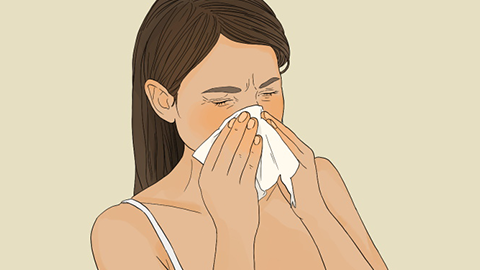
Do not pinch your nose tightly. Squeezing the nose forces air through the narrowed nasal passages. If the expiratory pressure exceeds the pressure within the sinuses or middle ear, air may be driven backward into these cavities—potentially leading to complications. We hope this information proves helpful. Wishing you good health and a joyful life!


