


What medications are effective for treating gastric bloating and dry heaving?

In daily life, improper diet may lead to gastric distension (bloating). After the stomach becomes distended, patients often experience loss of appetite and frequent nausea. They may feel an urge to vomit but are unable to do so—causing significant discomfort. To relieve symptoms such as gastric bloating and nausea, many patients opt for medication. So, what medications are effective for treating gastric bloating and dry heaving?
What Medications Are Effective for Gastric Bloating and Dry Heaving?
Medications such as domperidone, compound digestive enzyme capsules, and omeprazole can help treat gastric bloating and nausea/vomiting. The primary cause of these symptoms is inflammatory lesions within the stomach—such as superficial gastritis, erosive gastritis, atrophic gastritis, or gastric ulcers—which impair gastric motility or digestive function. As a result, food remains in the stomach longer than normal and is incompletely digested, leading to upper abdominal bloating, nausea, and vomiting. Additionally, probiotics and gastroprotective agents may be taken orally to regulate intestinal flora, improve indigestion, and protect the gastric mucosa.
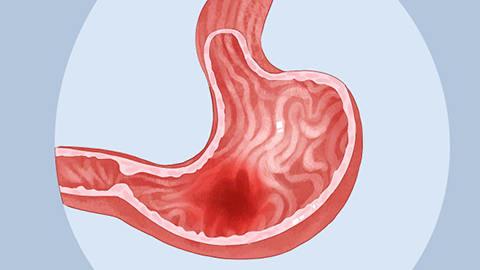
Gastric bloating has numerous potential causes. If it results from indigestion or impaired gastric motility, certain foods—including cabbage, cauliflower, peas, Brussels sprouts, peaches, sweet potatoes, onions, greasy or high-fat foods, and overly sweet foods—should be avoided. These foods undergo fermentation by normal gut bacteria, producing gas. In cases caused by organic diseases such as chronic gastritis or gastric ulcers, fried foods should also be avoided.

It is advisable to eat smaller, more frequent meals consisting of easily digestible, light, liquid-based foods, and to include high-quality protein and vitamin-rich foods in the diet. We hope this information proves helpful to you.


